Phone:
(701)814-6992
Physical address:
6296 Donnelly Plaza
Ratkeville, Bahamas.
Phone:
(701)814-6992
Physical address:
6296 Donnelly Plaza
Ratkeville, Bahamas.

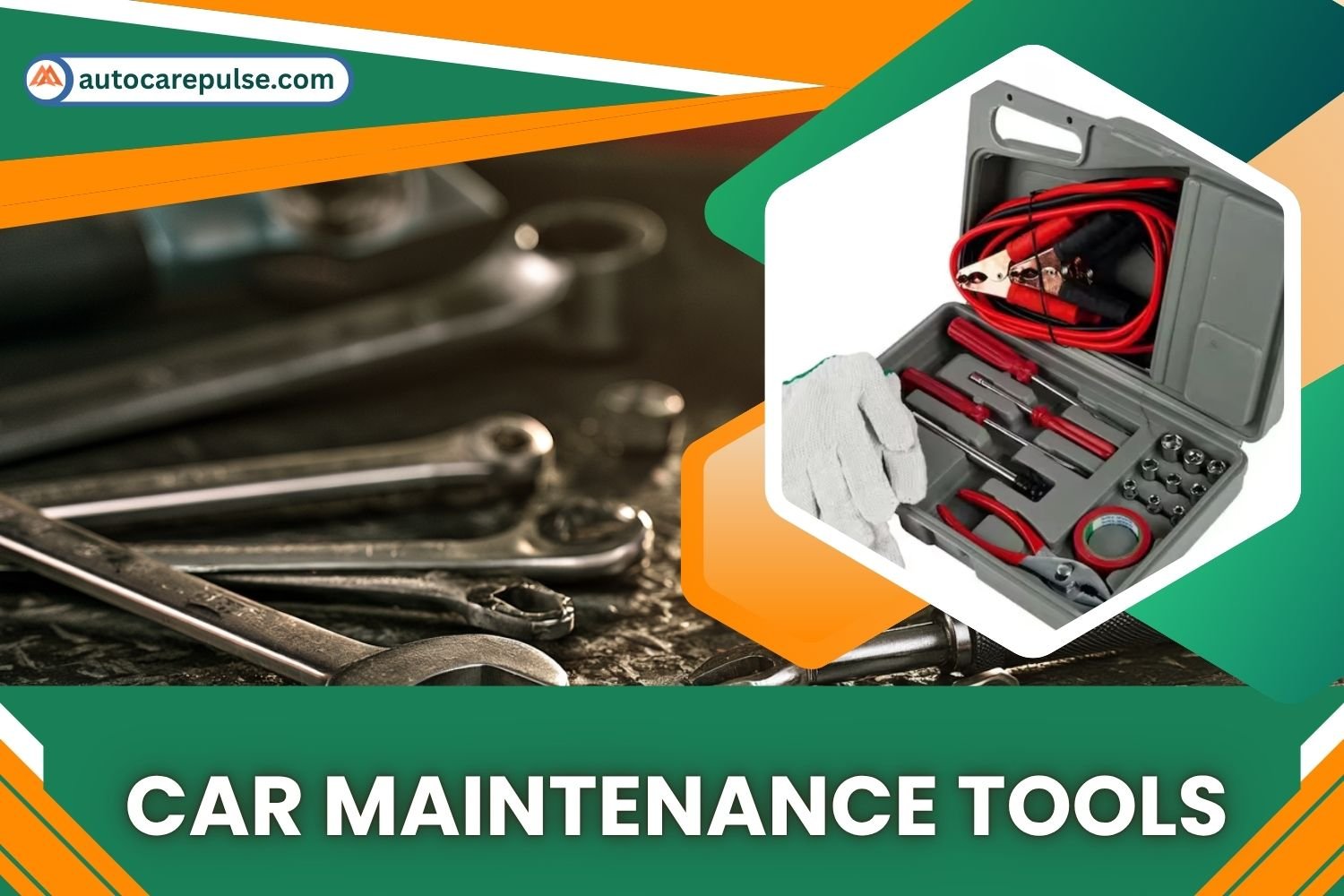
Car maintenance tools help U.S. vehicle owners utilize socket sets, OBD2 scanners, tire pressure gauges, emergency gear, and garage upkeep equipment to manage vehicle reliability. In my years testing and installing cabin protection and utility gear for all-wheel-drive vehicles and daily commuters across the United States, mastering car maintenance tools remains a top priority. When U.S. car owners search for information regarding car maintenance tools, they want to know how socket sets, OBD2 scanners, tire pressure gauges, emergency gear, and garage upkeep equipment impact vehicle reliability.
Knowing the details behind evaluating car maintenance tools ensures that you select proper chrome-vanadium steel hand tools, diagnostic readers, and safety lifting equipment to match your exact vehicle make and model layout. Evaluating every detail regarding car maintenance tool choices protects vehicle owners from unexpected roadside breakdowns, expensive repair shop labor fees, and unsafe DIY jacking hazards during home upkeep.
Mastering the variables that dictate the selection of car maintenance tools allows motorists to balance routine driveway service with exact safety rules and professional preparation. Ultimately, staying fully informed about car maintenance tool selection ensures that your home garage and vehicle service kit remain clean, secure, and uniquely customized across every highway and commuting mile.
For U.S. vehicle owners navigating daily commutes and long-distance road trips, relying exclusively on professional service bays for minor adjustments is unnecessary and costly when evaluating car maintenance tools. Equipping your home garage with a dependable set of car maintenance tools transforms vehicle ownership into a manageable, empowering routine.
Nitrile Gloves & Eye Protection: Protecting hands and eyes from cleaning solutions, isopropyl alcohol wipes, and sharp metal edges during the service of vehicle components.
The table below outlines tool categories, essential equipment and functions, and primary ownership benefits when evaluating car maintenance tools metrics.
| Tool Category | Essential Equipment & Function | Primary Ownership Benefit |
| Socket & Wrench Sets | Metric/SAE sockets, ratchets, and combination wrenches for fasteners. | Enables removal of battery terminals, spark plugs, and engine components. |
| OBD2 Diagnostic Scanners | Handheld code readers that plug into the vehicle computer port. | Instantly decodes dashboard check engine lights and reads engine fault codes. |
| Jacks & Jack Stands | Hydraulic floor jacks and steel stands to elevate vehicles safely. | Provides secure undercarriage access for oil changes and brake inspections. |
Reviewing these selection parameters helps prospective buyers align their garage equipment needs with factory specifications. Spotting these classification markers early tells you precisely what elements of assessing car maintenance tools metrics to anticipate. Identifying the exact nature of your vehicle’s mechanical layout ensures your subsequent equipment choices target the correct performance tier before purchase commitments are finalized. Selecting proper knowledge regarding car maintenance tool options prevents errors during routine marketplace comparisons. Proactive DIY maintenance requires having accurate equipment ready. When drivers use proper socket wrenches, precise tire gauges, and diagnostic scanners, they can catch minor fluid leaks, correct low tire pressure, and clear minor fault codes before they escalate into major failures. Executing these routine checks ensures reliable, clean vehicle performance on demand.
Comparing motorists who invest in quality car maintenance tools with those who own zero garage equipment highlights why readiness matters when choosing options for car maintenance tools. Maintaining a well-equipped garage with essential car maintenance tools shields your household budget from avoidable expenses.
The table below contrasts readiness approaches, operational habits, and long-term financial and repair outcomes when choosing options for car maintenance tools.
| Readiness Approach | Operational Habit | Long-Term Financial & Repair Outcome |
| Proactive Tool Ownership | Investing in comprehensive socket sets, torque wrenches, and OBD2 diagnostic scanners. | Enables home DIY repairs, decodes check engine lights instantly, and slashes labor costs. |
| Minimal Equipment | Owning only basic screwdrivers and a factory tire jack with zero diagnostic gear. | Leaves vehicle owners helpless during check engine faults or basic mechanical fixes. |
| Total Unpreparedness | Owning zero automotive tools or safety equipment in the home garage. | Results in unnecessary repair shop visits for simple tasks and high labor expenses. |
Why Material Selection Matters to Long-Term Ownership Longevity. Utilizing high-grade chrome-vanadium steel hand tools, certified steel jack stands, and precision click-type torque wrenches ensures proper torque execution and structural durability across diverse mechanical environments. Similarly, utilizing professional-grade diagnostic equipment safeguards internal computer modules against false fault codes and misinterpretation. Selecting durable tool manufacturing supplies with lower baseline failure rates provides long-term financial predictability, particularly for owners planning to keep their vehicle well past its warranty coverage period.
Proper vehicle detailing, tool organization, and professional hardware inspection for home garage maintenance require basic physical and digital storage tools. Essential equipment for examining and installing items when evaluating car maintenance tools optimization includes a locking steel tool chest, a digital torque wrench, an OBD2 Bluetooth diagnostic scanner, clean shop rags, work gloves, and heavy-duty rated jack stands. Having proper tools impacts evaluations when attempting home maintenance versus visiting a professional certified shop. Knowing your tool limitations affects expenses related to fitting components yourself versus paying professional shop labor fees.
Utilizing car maintenance tools involves dividing tasks between safe home DIY garage work and professional shop equipment when managing car maintenance tools. Universal aftermarket hand tools and generic code readers offer budget-friendly savings, but they may lack the exact lifetime warranties and precision tolerances of professional-grade tool brands.
The table below outlines evaluation factors, home DIY garage tools, and professional shop equipment when evaluating car maintenance tool options.
| Evaluation Factor | Home DIY Garage Tools | Professional Shop Equipment |
| Investment & Cost | One-time purchase of tool sets ($100 – $400 total investment) | Commercial shop labor rates and specialized overhead ($90 – $180/hr) |
| Equipment Scale | Portable hand tools, compact floor jacks, handheld OBD2 scanners | Hydraulic commercial vehicle lifts, alignment racks, diagnostic computers |
| Service Scope | Oil changes, spark plugs, air filters, brake pad visual checks | Transmission overhauls, engine block machining, refrigerant recharging |
Sidestepping these classic tool selection and garage safety pitfalls prevents extended frustration and controls expenses associated with managing vehicle maintenance over time. Paying close attention to detail ensures your purchasing efforts improve compatibility and understanding regarding car maintenance tool selection. Avoiding these errors ensures maximum safety:
Mistake 1: Working under a vehicle supported solely by a hydraulic floor jack instead of supporting it with certified steel jack stands.
Mistake 2: Purchasing cheap, unbranded carbon steel tools that round off stubborn fastener heads and snap under high torque loads.
Mistake 3: Failing to store tools in sealed tool chests or dry cabinets, allowing moisture oxidation and rust to ruin metal surfaces.
Mistake 4: Attempting major engine overhauls or high-voltage electric vehicle repairs without specialized shop equipment and safety training.
Attempting to ignore scheduled garage safety rules places you at severe risk of catastrophic personal injury and equipment failure. Always double-check safety protocols before estimating your car maintenance tools budget.
Following methodical service practices ensures optimal vehicle reliability while shielding electrical circuits and powertrain components when managing car maintenance tools upkeep. Audit your home garage today and equip yourself with essential car maintenance tools like a socket set, OBD2 scanner, and jack stands. When performing DIY vehicle lifts, always ensure your vehicle is parked on level ground with the parking brake engaged and wheels chocked. Furthermore, torque all lug nuts and engine fasteners to precise manufacturer specifications using a calibrated torque wrench.
The table below outlines tool and equipment categories, estimated costs, and pricing scopes and contexts when setting up car maintenance tools reduction strategies.
| Tool & Equipment Category | Estimated Cost ($ USD) DOCX | Pricing Scope & Context DOCX |
| Mechanics Socket & Wrench Set | $60 – $150 | Comprehensive set of metric/SAE sockets, ratchets, and wrenches. |
| OBD2 Diagnostic Code Reader | $30 – $100 | Handheld scanner to read and clear dashboard check engine lights. |
| Hydraulic Floor Jack & Jack Stands | $80 – $200 | Certified 2-ton or 3-ton lifting kit with steel safety stands. |
Executing each phase of this workflow streamlines tasks tied to understanding service standards by ensuring proper alignment and mechanical security. Following these specific instructions ensures your approach remains grounded in professional automotive maintenance standards.
Car maintenance tools expenses vary widely depending on whether you purchase basic starter hand tool kits or invest in professional-grade chrome-vanadium tool chests and advanced diagnostic scanners. Managing a vehicle’s car maintenance tools investment successfully comes down to anticipation rather than reaction.
The table below outlines realistic U.S. pricing across equipment categories, estimated costs, and service valuation impacts.
| Tool & Equipment Category | Cost Range (U.S.) DOCX | Service Valuation Impact DOCX |
| Basic Hand Tool Starter Kits | $50 – $120 | Essential baseline for minor garage fasteners and wiper replacements. |
| Diagnostic & Safety Gear | $100 – $300 | Provides computer code reading and secure undercarriage lifting. |
| Professional Master Tool Sets | $400 – $1,000+ | Comprehensive lifetime-warranty mechanics gear for advanced DIY projects. |
Analyzing these price points demonstrates how targeted investments in home garage tools guard against recurring mechanic labor fees. Entry-level basic starter kits cost between $50 and $120. Mid-tier diagnostic and safety gear ranges from $100 to $300. Premium professional master tool sets range from $400 to $1,000+. Consistent preventative care safeguards your investment against premature wear during everyday commuting and severe weather exposure.
A frequent misconception is that car maintenance tools are too expensive for ordinary drivers to purchase; in reality, buying a basic socket set and OBD2 scanner pays for itself during your very first DIY oil change and check engine code read. Another myth is that factory emergency tire jacks are safe for routine undercarriage maintenance, whereas factory scissor jacks are designed solely for temporary roadside tire changes and must never be used for crawling underneath a car. Buyers often assume that all wrenches are created equal, whereas investing in durable chrome-vanadium steel car maintenance tools is critical for safety because cheap metals round off bolt heads and snap under high torque.
1. What are the essential car maintenance tools every vehicle owner needs in the United States?
Essential tools include socket and wrench sets, OBD2 diagnostic scanners, tire pressure gauges, screwdrivers, and a reliable floor jack with appropriately rated jack stands. These tools help vehicle owners perform routine maintenance and identify common problems safely.
2. How do OBD2 scanners and digital multimeters help with DIY automotive diagnostics?
OBD2 scanners read diagnostic trouble codes to help identify issues that trigger the check engine light. Digital multimeters measure battery voltage, electrical resistance, and circuit continuity, making them useful for diagnosing common electrical problems.
3. What safety equipment should every home garage have?
Every home garage should have properly rated jack stands, wheel chocks, safety glasses, protective gloves, and a reliable tire pressure gauge. Always park on level, solid ground and support the vehicle securely before working underneath it.
4. Why is investing in durable chrome-vanadium steel car maintenance tools important?
Chrome-vanadium steel tools offer strength and durability for many automotive repair tasks. Quality sockets and wrenches can help reduce fastener damage when used correctly. Always choose tools rated for the intended application and avoid using damaged or worn equipment.
5. Can I perform major engine repairs using basic home car maintenance tools?
Basic hand tools are suitable for routine tasks such as changing oil, replacing air filters, and changing spark plugs on accessible engines. Major engine repairs often require specialized equipment, vehicle-specific procedures, and advanced mechanical skills, so professional assistance may be necessary.
6. How should car maintenance tools be stored to prevent rust and corrosion?
Store tools in a dry toolbox or garage cabinet, clean them after use, and remove moisture before putting them away. Silica gel packets or other moisture-control products can help reduce humidity, while a suitable protective coating can prevent rust on metal surfaces.
7. Do electric vehicles require different car maintenance tools than gasoline-powered cars?
Yes, electric vehicles may require specialized diagnostic software and high-voltage-rated insulated tools for certain repairs. High-voltage systems can be dangerous, so only trained individuals should perform work on these components using the manufacturer’s safety procedures.
8. Where can I purchase reliable car maintenance tools in the United States?
You can find quality tools at automotive parts retailers, hardware stores, industrial tool suppliers, and reputable online marketplaces. Compare product specifications, warranties, customer reviews, and safety ratings to choose tools that suit your vehicle and maintenance needs.
Managing a vehicle’s car maintenance tools inventory successfully comes down to anticipation rather than reaction. Audit your home garage today and equip yourself with essential car maintenance tools like a socket set, OBD2 scanner, and jack stands. Advanced specialized automotive tools can wait while you build your core home wrench and socket collection. If your tool diagnostics reveal complex electrical faults or internal powertrain damage, schedule a professional shop inspection immediately. Drive safely across America. Mastering the financial and technical variables behind understanding car maintenance tools projections guarantees that your vehicle ownership remains manageable, predictable, and secure across every mile you drive. Prioritize high-grade replacement parts, verify equipment safety compliance, and maintain your tool collection regularly to ensure your vehicle delivers years of dependable service and preserves resale equity on all your daily journeys.