Phone:
(701)814-6992
Physical address:
6296 Donnelly Plaza
Ratkeville, Bahamas.
Phone:
(701)814-6992
Physical address:
6296 Donnelly Plaza
Ratkeville, Bahamas.

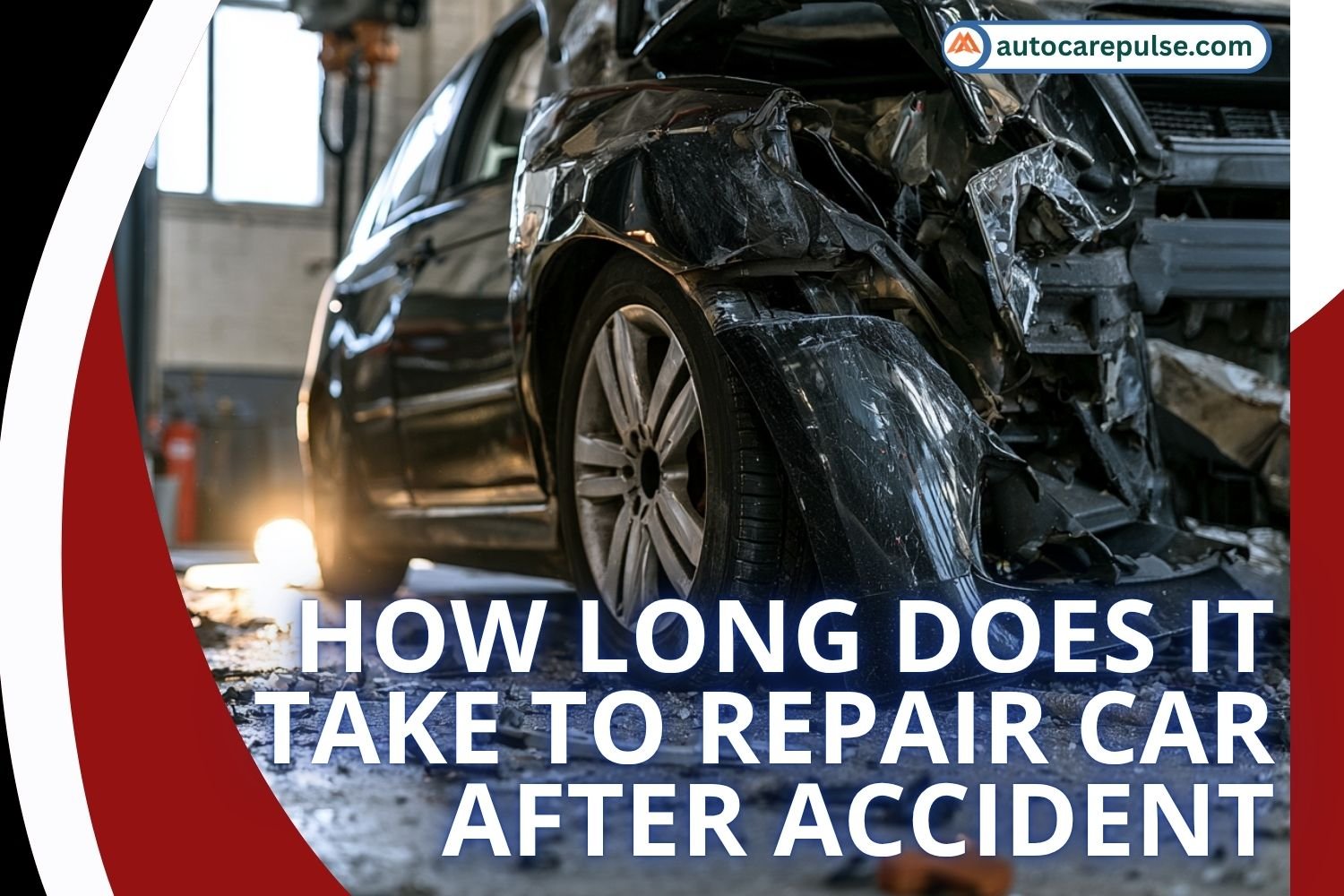
How long does it take to repair car after accident depends on the severity of the damage, the availability of replacement parts, and how quickly your insurance claim is approved. After a collision, understanding the expected repair timeline can help you plan transportation, manage expenses, and reduce the stress of being without your vehicle.
Minor damage, such as small dents or bumper scratches, may take two to three days to repair, while moderate collision damage can require one to two weeks. Major accidents involving structural damage, airbag replacement, or complex mechanical repairs may take three to six weeks or longer. These estimates can change if the repair shop discovers hidden damage, waits for specialized parts, or needs additional approval from your insurer.
In this guide, we’ll explain the factors that affect collision repair timelines, outline the typical duration of different repairs, and share practical tips for communicating with your body shop and insurance company. With realistic expectations and proper planning, you can make informed decisions and get your vehicle safely back on the road.
The physical impact of an accident manifests in multiple ways across a vehicle’s body and mechanical framework when evaluating how long does it take to repair car after accident:
1. Cosmetic & Surface Damage: Scraped paint, minor door dings, and cracked plastic bumper covers that do not affect structural safety.
2. Moderate Impact Damage: Misaligned body panels, jammed trunk or door latches, broken headlights, and suspension component bending.
3. Severe Structural Damage: Buckled frame rails, twisted unibody structures, deployed airbags, and compromised steering columns.
4. Hidden Mechanical Damage: Punctured radiators, cracked engine mounts, damaged transmission casings, and severed electrical wiring harnesses tucked behind panels.
5. Safety Assessment & Threshold: Classification: Monitor, Service Soon, Urgent Repair, or Tow Immediately. While superficial scratches can be monitored, minor panel rubbing should be serviced soon, and leaking fluids or severe frame deformation demand urgent repair or an immediate tow straight to a collision facility.
Nitrile Gloves & Eye Protection: Protecting hands and eyes from cleaning solutions, isopropyl alcohol wipes, and sharp metal edges during the service of vehicle components.
Cosmetic & Surface Damage: Scraped paint, minor door dings, and cracked plastic bumper covers that do not affect structural safety.
Moderate Impact Damage: Misaligned body panels, jammed trunk or door latches, broken headlights, and suspension component bending.
Severe Structural Damage: Buckled frame rails, twisted unibody structures, deployed airbags, and compromised steering columns.
Hidden Mechanical Damage: Punctured radiators, cracked engine mounts, damaged transmission casings, and severed electrical wiring harnesses tucked behind panels.
The table below outlines accident damage severities, estimated labor hours, and typical shop turnaround times when evaluating how long does it take to repair car after accident metrics:
| Accident Damage Severity | Estimated Labor Hours | Typical Shop Turnaround |
| Minor Bumper & Scratch Repair | 5.0 – 12.0 hours | 2 – 4 Days |
| Moderate Panel Replacement & Paint | 15.0 – 30.0 hours | 1 – 2 Weeks |
| Suspension & Steering Overhaul | 20.0 – 40.0 hours | 1 – 3 Weeks |
Reviewing these selection parameters helps prospective buyers align their vehicle repair needs with professional shop specifications. Spotting these classification markers early tells you precisely what elements of assessing how long does it take to repair car after accident metrics to anticipate. Identifying the exact nature of your vehicle’s technical layout ensures your subsequent service choices target the correct performance tier before service commitments are finalized. Selecting proper knowledge regarding how long it takes to repair a car after an accident options prevents errors during routine marketplace comparisons. Executing these routine checks ensures reliable, clean vehicle performance on demand.
Following a systematic workflow ensures your insurance claim and vehicle restoration proceed without unnecessary friction when managing a how long does it take to repair car after accident project:
Step 1: File Insurance Claim & Document Scene: Take comprehensive photos of all vehicle damage, license plates, and accident surroundings for your insurance carrier.
Step 2: Choose a Certified Collision Center: Select a reputable shop certified by vehicle manufacturers (e.g., Ford, Toyota, Honda) to ensure proper structural repair standards.
Step 3: Complete Teardown & Supplement Estimate: The shop disassembles damaged sections to uncover hidden internal flaws and submits a supplemental claim to your insurance adjuster.
Step 4: Structural Repair and Body Assembly: Technicians perform frame straightening, weld new panels, replace mechanical parts, and prep the vehicle for paint.
Step 5: Final Quality Control & ADAS Calibration: Technicians recalibrate all advanced driver-assistance safety cameras and conduct rigorous road testing before delivery.
Why Material Selection Matters to Long-Term Ownership Longevity. Utilizing high-grade full-synthetic motor oils, OEM-specified replacement fluids, and durable mechanical components ensures proper performance and reliability across diverse vehicle systems. Similarly, relying on manufacturer maintenance schedules safeguards internal engine components, transmission controls, and electronic networks against improper installation and premature failure. Selecting durable vehicle maintenance supplies and avoiding common maintenance errors provides long-term financial predictability, particularly for owners planning to keep their vehicle well past its warranty coverage period.
Proper vehicle detailing, tool organization, and professional hardware inspection for service tracking require basic physical and digital tools. Essential equipment for examining and installing items when evaluating how long does it take to repair car after accident optimization includes computerized frame rack systems, paint booths, infrared curing lamps, ADAS calibration targets, spot welders, aluminum repair kits, clean shop rags, work gloves, and heavy-duty rated hydraulic jack stands. Having proper tools impacts evaluations when attempting home damage checks versus visiting a professional certified collision center. Knowing your tool limitations affects expenses related to fitting components yourself versus paying professional shop labor rates.
Even when technicians are ready to work, several external bottlenecks can prolong your car’s stay at the body shop when managing how long does it take to repair car after accident. Universal aftermarket parts and generic maintenance schedules offer budget-friendly savings, but they may lack the exact engineering tolerances and warranty protections of custom-engineered OEM assemblies.
The table below outlines common mistakes, consequences, and how to avoid them when evaluating how long it takes to repair a car after an accident:
| Common Mistake | Consequence | How to Avoid It |
| Rushing Into Uncertified Shops | Selecting the cheapest shop without manufacturer certifications can result in poor paint blending and compromised structural safety | Always choose manufacturer-certified collision centers for structural repairs. |
| Failing to Verify Rental Coverage | Not confirming your insurance policy’s rental reimbursement limits can leave you paying out-of-pocket for weeks | Verify rental car coverage limits with your insurer before dropping off your vehicle. |
| Ignoring ADAS Calibration | Forgetting to recalibrate windshield cameras and bumper radar sensors can cause automated emergency braking systems to malfunction | Ensure your shop includes complete ADAS sensor recalibration in the repair estimate. |
Sidestepping these classic service and repair buying pitfalls prevents extended frustration and controls expenses associated with managing vehicle maintenance over time. Paying close attention to detail ensures your purchasing efforts improve compatibility understanding regarding how long does it take to repair car after accident selections. Avoiding these errors ensures maximum safety:
Mistake 1: Selecting the cheapest shop without manufacturer certifications, resulting in poor paint blending and compromised structural safety.
Mistake 2: Not confirming your insurance policy’s rental reimbursement limits, leaving you paying out-of-pocket for weeks of transportation.
Mistake 3: Forgetting to recalibrate windshield cameras and bumper radar sensors, causing automated emergency braking systems to malfunction.
Mistake 4: Working underneath a vehicle supported solely by a hydraulic floor jack without using rated heavy-duty jack stands during DIY checks.
Attempting to ignore scheduled maintenance milestones places you at severe risk of unexpected repair budget shortfalls. Always double-check service records before estimating your budget for how long does it take to repair car after accident.
Following methodical service practices ensures optimal vehicle reliability while shielding electrical circuits and powertrain components when managing how long does it take to repair car after accident upkeep. Winter road salts accelerate underlying corrosion on damaged chassis components in rust belt states, requiring extra rust-inhibiting treatments during body panel welding. When performing DIY checks or interacting with service bays, always ensure your vehicle is parked on level ground with the parking brake engaged. Furthermore, high humidity and salt air in southern coastal climates demand strict adherence to primer and paint curing protocols to prevent future blistering.
The table below outlines safety precautions, environmental controls, and best practices when setting up strategies for how long does it take to repair car after accident:
| Safety & Workspace Rule | Environmental Control | Primary Purpose |
| Computerized Frame Rack System | Unibody laser measurement tools | Measure and pull unibody frames back to factory safety specifications. |
| Paint Booth & Infrared Curing Lamps | Climate-controlled thermal chambers | Bake and cure automotive clear coat finishes safely without paint bubbling. |
| ADAS Calibration Targets & Scanners | Electronic radar alignment stands | Recalibrate radar sensors, cameras, and safety modules post-collision. |
Executing each phase of this workflow streamlines tasks tied to understanding service standards by ensuring proper alignment and financial security. Following these specific instructions ensures your approach remains grounded in professional automotive maintenance standards.
Accident repair expenses are heavily influenced by parts complexity and labor intensity when evaluating how long does it take to repair car after accident. Managing a vehicle when evaluating how long does it take to repair car after accident successfully comes down to anticipation rather than reaction.
The table below outlines realistic U.S. pricing across accident repair services, average parts costs, and total professional shop costs when evaluating how long does it take to repair car after accident options:
| Accident Repair Service | Average Parts Cost | Total Professional Shop Cost |
| Front Bumper Cover Replacement | $300 – $800 | $750 – $1,800 |
| Fender & Door Panel Dent/Paint | $400 – $900 | $1,200 – $2,800 |
| Unibody Frame Straightening | $500 – $1,500 | $2,500 – $6,000+ |
Analyzing these price points demonstrates how targeted investments in collision repairs guard against structural failure and ensure proper insurance settlement. Entry-level front bumper cover replacements cost between $750 and $1,800. Mid-tier fender and door panel dent repairs range from $1,200 to $2,800. Premium unibody frame straightening and structural overhauls range from $2,500 to $6,000+. Consistent preventative care safeguards your investment against premature wear during everyday commuting and severe weather exposure.
A frequent misconception is that asking about how long does it take to repair car after accident means your insurance company can force you to use a specific body shop; in reality, under insurance laws across almost all U.S. states, you have the legal right to choose any collision repair facility of your preference, even if the insurer recommends their preferred network shops. Another myth is that hidden damage discovered after repairs begin is covered instantly without delays, whereas the body shop will submit a supplemental estimate and photo documentation directly to your insurance adjuster for approval, adding a few days to the overall repair timeline. Buyers often assume non-OEM aftermarket parts are identical to factory parts, whereas aftermarket parts may not fit as precisely and can impact crash protection, though you can request OEM parts through your insurance policy by paying any betterment cost difference.
1. Can my insurance company force me to use a specific body shop?
No, in most U.S. states, you can choose your preferred collision repair shop rather than using the insurer’s recommended facility. However, coverage terms, state laws, and repair guarantees may vary, so check your policy before making a decision.
2. What happens if hidden damage is discovered after repairs begin?
If the repair shop discovers hidden damage, it will usually submit a supplemental estimate and supporting photos to your insurance adjuster for approval. This can extend the repair timeline and affect how long does it take to repair car after accident.
3. Will aftermarket parts affect the safety or resale value of my car?
Aftermarket parts can vary in quality, fit, and compatibility, potentially affecting your vehicle’s appearance, safety, or resale value. Ask your repair shop about OEM parts and check your insurance policy to determine whether you must pay any additional cost.
4. Does auto insurance cover a rental car during accident repairs?
Rental car expenses may be covered if your policy includes rental reimbursement coverage or if the at-fault driver’s liability insurance accepts responsibility for the claim. Coverage limits and rental duration vary, so confirm the details with your insurer.
5. When is a car officially declared a total loss by insurance?
An insurance company may declare a vehicle a total loss when repair costs reach a state-specific threshold or when repairing the vehicle is not economically practical under applicable rules. The decision depends on the vehicle’s actual cash value, estimated repair costs, and state regulations.
6. Can I drive my car while waiting for collision replacement parts to arrive?
You may be able to drive your car if the damage is cosmetic and the vehicle remains safe and roadworthy. However, avoid driving if the damage affects the brakes, steering, suspension, structural components, lights, airbags, or other essential safety systems. Ask a qualified repair professional to assess the vehicle first.
7. How do body shops ensure paint matches my car’s original color?
Professional body shops use your vehicle’s paint code, computerized color-matching equipment, and test sprays to achieve an accurate match. They may also blend the new paint into adjacent panels to create a smooth, consistent finish.
8. What is ADAS calibration, and why does it delay car repairs?
Advanced Driver Assistance Systems (ADAS) include safety features such as lane-keeping cameras, blind-spot monitoring, and collision-avoidance sensors. After certain repairs, these systems require specialized calibration and testing, which can extend how long does it take to repair car after accident.
In conclusion, understanding how long does it take to repair car after accident helps you plan your transportation, manage insurance claims, and prepare for unexpected expenses. Minor repairs may take a few days, while major collision damage, structural repairs, and safety system calibrations can take several weeks or longer, depending on parts availability and repair complexity. To avoid unnecessary delays, document the damage, contact your insurance provider, and choose a qualified collision repair shop. Confirm your rental car coverage and request regular repair updates to stay informed throughout the process. By prioritizing safety, quality repairs, and proper vehicle inspections, you can get back on the road with greater confidence and peace of mind.