Phone:
(701)814-6992
Physical address:
6296 Donnelly Plaza
Ratkeville, Bahamas.
Phone:
(701)814-6992
Physical address:
6296 Donnelly Plaza
Ratkeville, Bahamas.

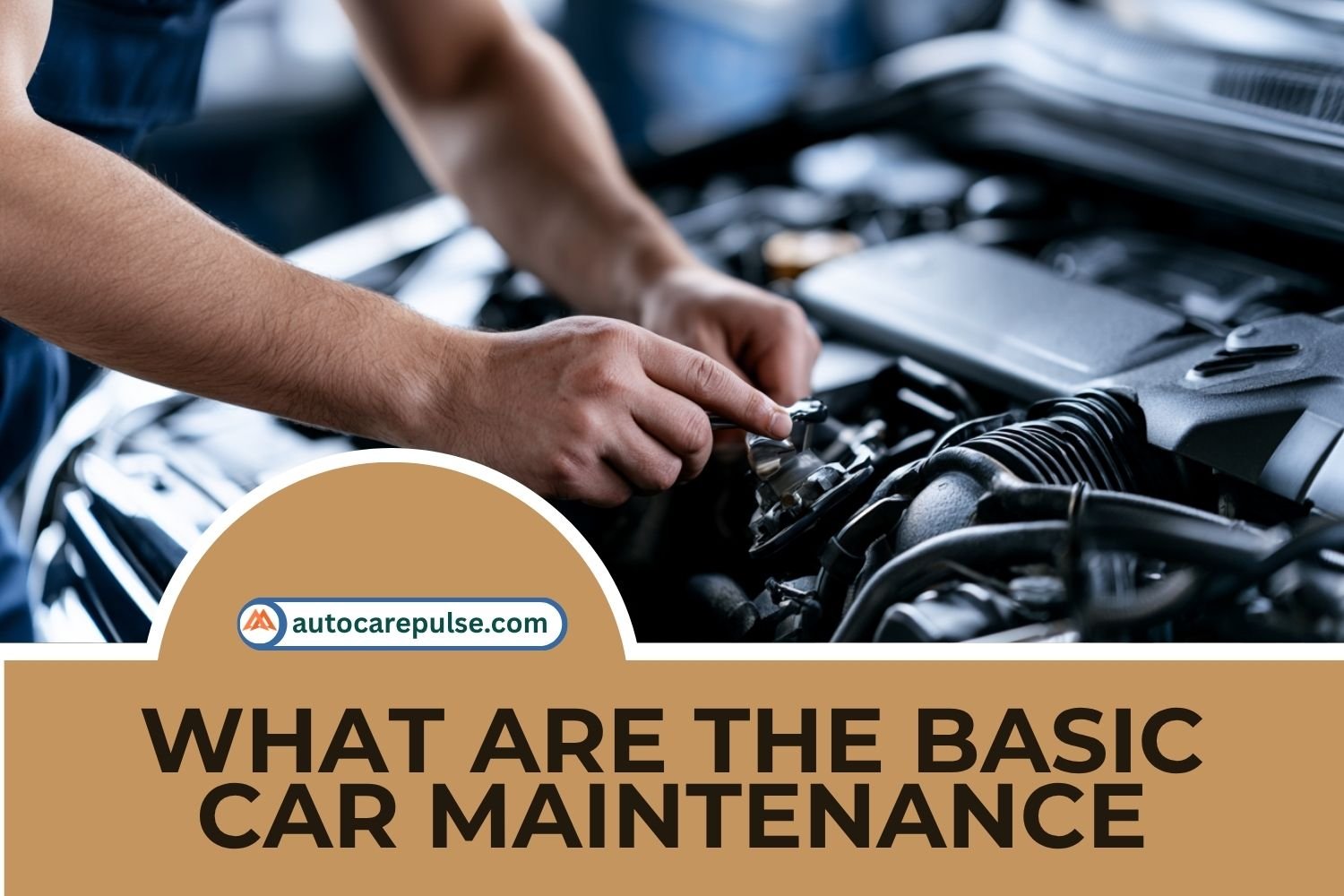
What are the basic car maintenance tasks every vehicle owner should know to keep their car safe, reliable, and efficient? Regular maintenance includes checking engine oil, monitoring tire pressure, inspecting fluid levels, replacing air filters, and testing battery health. These simple tasks help prevent unexpected breakdowns, improve fuel efficiency, and extend your vehicle’s lifespan.
Following your manufacturer’s recommended maintenance schedule can also reduce repair costs and protect your car’s resale value. In this guide, we’ll cover the essential maintenance tasks, explain when to perform them, and share practical tips to help you keep your vehicle in excellent condition.
To keep your vehicle operating at its peak, several foundational maintenance tasks should be performed monthly or at regular mileage intervals when evaluating what are the basic car maintenance tasks.
Nitrile Gloves & Eye Protection: Protecting hands and eyes from cleaning solutions, isopropyl alcohol wipes, and sharp metal edges during the service of vehicle components.
Engine Oil and Filter Inspection: Pulling the oil dipstick monthly to check oil level and color. Changing synthetic or conventional oil every 5,000 to 7,500 miles according to manufacturer guidelines.
Tire Pressure and Tread Monitoring: Checking tire PSI monthly using a gauge and inspecting tread depth to ensure optimal road grip and prevent blowouts on high-speed U.S. interstates.
Fluid Reservoir Inspections: Visually inspecting translucent under-hood tanks for coolant, brake fluid, power steering fluid, and windshield washer solvent.
Air and Cabin Filter Replacements: Replace engine air filters choked with dust and cabin filters clogged with road debris every 15,000 to 30,000 miles.
The table below outlines standard basic car maintenance tasks alongside their recommended checking frequencies and primary owner benefits when evaluating the basic car maintenance task metrics:
| Maintenance Task | Recommended Frequency | Primary Owner Benefit |
| Tire Pressure & Tread Check | Monthly | Improves fuel economy and braking safety |
| Engine Oil Level Check | Monthly (Before long trips) | Prevents catastrophic internal engine wear |
| Fluid Levels (Coolant, Brake) | Every 3 Months / 3,000 Miles | Protects braking and cooling systems |
Reviewing these selection parameters helps prospective buyers align their vehicle repair needs with professional shop specifications. Spotting these classification markers early tells you precisely what elements of assessing what are the basic car maintenance tasks metrics to anticipate. Identifying the exact nature of your vehicle’s technical layout ensures your subsequent service choices target the correct performance tier before service commitments are finalized.
Selecting proper knowledge regarding what are the basic car maintenance tasks options prevents errors during routine marketplace comparisons. Executing these routine checks ensures reliable, clean vehicle performance on demand.
You do not need to be a professional mechanic to perform basic vehicle inspections when managing the basic car maintenance tasks. Safe, home-based checks can be completed in minutes using minimal equipment.
The table below outlines simple home checks, procedural steps, and expected outcomes when evaluating the basic car maintenance tasks:
| Home Check Procedure | Step-by-Step Action DOCX | Expected Result DOCX |
| Checking Engine Oil | Park on level ground, turn off the warm engine, pull the dipstick, wipe it, reinsert it, and check the level. | Oil level sits between low and full marks. |
| Checking Tire Pressure | Remove valve stem cap, press gauge onto valve, and compare reading to door placard. | Verifies correct cold PSI matching manufacturer specs. |
| Inspecting Wiper Blades | Lift arms, run fingers along rubber edge, and check for cracking or tearing. | Ensures clear visibility without streaks. |
Why Material Selection Matters to Long-Term Ownership Longevity. Utilizing high-grade full-synthetic motor oils, OEM-specified replacement fluids, and durable mechanical components ensures proper performance and reliability across diverse vehicle systems. Similarly, relying on manufacturer maintenance schedules safeguards internal engine components, transmission controls, and electronic networks against improper installation and premature failure.
Selecting durable vehicle maintenance supplies and avoiding common maintenance errors provides long-term financial predictability, particularly for owners planning to keep their vehicle well past its warranty coverage period.
Proper vehicle detailing, tool organization, and professional hardware inspection for service tracking require basic physical and digital tools. Essential equipment for examining and installing items when evaluating what are the basic car maintenance tasks optimization includes an engine oil dipstick, a digital tire pressure gauge, coolant and brake fluid reservoirs, clean shop rags, work gloves, and heavy-duty rated hydraulic jack stands. Having proper tools impacts evaluations when attempting home maintenance versus visiting a professional certified shop. Knowing your tool limitations affects expenses related to fitting components yourself versus paying professional shop labor fees.
Driving conditions across the United States place varying demands on basic car maintenance routines when managing the basic car maintenance tasks. Universal aftermarket parts and generic maintenance schedules offer budget-friendly savings, but they may lack the exact engineering tolerances and warranty protections of custom-engineered OEM assemblies.
The table below outlines regional U.S. driving conditions, environmental stressors, and basic maintenance focus points when evaluating what the basic car maintenance tasks options:
| Regional Driving Condition | Environmental Stressor DOCX | Basic Maintenance Focus DOCX |
| Cold Winter Climates (Salt Belt) | Freezing temperatures and road de-icing salts accelerate corrosion on brake lines and underbody components. | Regular washing, battery testing, and undercarriage inspections. |
| Hot Desert Climates (Southwest) | Extreme summer heat accelerates battery fluid evaporation and degrades rubber hoses. | Frequent battery and coolant level checks. |
| Heavy Urban Stop-and-Go Traffic | Frequent idling qualifies as severe service, contaminating engine oil faster. | More frequent oil changes and brake pad inspections. |
Sidestepping these classic service and repair buying pitfalls prevents extended frustration and controls expenses associated with managing vehicle maintenance over time. Paying close attention to detail ensures your purchasing efforts improve compatibility and understanding of the basic car maintenance task selections. Avoiding these errors ensures maximum safety:
Mistake 1: Checking tire pressure when tires are hot after driving, which causes artificial pressure increases due to friction-heated air.
Mistake 2: Ignoring simple routine care steps, leading to premature mechanical wear and costly emergency repairs.
Mistake 3: Failing to check engine oil levels monthly or before embarking on long road trips across the United States.
Mistake 4: Working underneath a vehicle supported solely by a hydraulic floor jack without using rated heavy-duty jack stands during DIY maintenance.
Attempting to ignore scheduled maintenance milestones places you at severe risk of catastrophic component breakdown. Always double-check service schedules before estimating your budget for the basic car maintenance tasks.
Following methodical service practices ensures optimal vehicle reliability while shielding electrical circuits and powertrain components when managing what are the basic car maintenance tasks upkeep. Dedicate 15 minutes each month to checking your engine oil, tire pressure, and fluid reservoirs. When performing DIY checks or interacting with service bays, always ensure your vehicle is parked on level ground with the parking brake engaged. Furthermore, torque all wheel lug nuts and oil drain plugs to precise manufacturer specifications using a calibrated torque wrench.
The table below outlines service categories, average DIY vs. shop costs, and service valuation impacts when setting up strategies for the basic car maintenance tasks:
| Service Category | Cost Range (U.S.) | Service Valuation Impact |
| Monthly DIY Checks (Oil & PSI) | Free ($0) | Early detection of fluid loss and improper tire inflation. |
| Routine Oil Change Service | $65 – $130 | Prevents internal friction wear and engine seizure. |
| Filter & Wiper Replacements | $30 – $90 | Restores interior air quality and windshield visibility. |
Executing each phase of this workflow streamlines tasks tied to understanding service standards by ensuring proper alignment and mechanical security. Following these specific instructions ensures your approach remains grounded in professional automotive maintenance standards.
Basic car maintenance expenses vary widely depending on whether you perform DIY driveway checks or pay professional shops for routine fluid and filter swaps. Managing the basic car maintenance tasks successfully comes down to anticipation rather than reaction.
The table below outlines realistic U.S. pricing across service tiers, estimated costs, and service valuation impacts:
| Service Tier / Task | Cost Range (U.S.) DOCX | Service Valuation Impact DOCX |
| DIY Monthly Inspections | Free ($0) | Catastrophic failure prevention through proactive visual checks. |
| Routine Oil & Filter Changes | $65 – $130 / service | Protects internal moving metal parts from thermal breakdown. |
| Air Filter & Wiper Swaps | $30 – $90 / service | Optimizes engine breathing and driver sightlines. |
Analyzing these price points demonstrates how targeted investments in basic car maintenance guard against costly emergency repair bills. Entry-level DIY monthly inspections cost nothing. Mid-tier routine oil and filter changes range from $65 to $130. Premium filter and wiper swaps range from $30 to $90. Consistent preventative care safeguards your investment against premature wear during everyday commuting and severe weather exposure.
A frequent misconception is that asking what the basic car maintenance tasks are requires professional mechanic training; in reality, you do not need to be a professional mechanic to perform basic vehicle inspections. Another myth is that tire pressure can be checked accurately anytime, whereas it is best to check tire pressure when tires are cold (driven less than a mile or parked for three hours) because driving friction heats the air inside tires, causing artificial pressure increases. Buyers often assume that basic maintenance has minimal impact on vehicle reliability, whereas mastering these fundamentals prevents unexpected breakdowns, optimizes fuel economy, and significantly extends engine longevity.
1. What are the basic car maintenance tasks?
Basic car maintenance includes checking engine oil levels, monitoring tire pressure and tread, inspecting coolant and brake fluid, replacing air filters, and testing battery health. These tasks help keep your vehicle safe, reliable, and efficient.
2. How often should I check my car oil?
Check your engine oil level at least once a month and before long road trips. Follow your vehicle owner’s manual for the recommended oil change intervals and use the correct oil type for your engine.
3. What fluids need regular checking in a car?
Important fluids include engine oil, coolant or antifreeze, brake fluid, power steering fluid in vehicles with hydraulic systems, and windshield washer fluid. Check the levels according to your owner’s manual and address any leaks promptly.
4. What is considered routine car maintenance?
Routine car maintenance includes scheduled oil changes, tire rotations, brake inspections, fluid servicing, and filter replacements. Following your manufacturer’s maintenance schedule helps prevent premature wear and reduces the risk of unexpected repairs.
5. Can I check tire pressure when tires are hot?
For accurate readings, check tire pressure when the tires are cold, ideally before driving or after the vehicle has been parked for at least three hours. Driving heats the tires and can temporarily increase pressure readings.
6. Why is basic car maintenance important?
Regular maintenance improves vehicle safety, helps prevent unexpected breakdowns, supports fuel efficiency, and preserves your car’s resale value. It can also help identify minor problems before they become expensive repairs.
7. What should I do if I notice fluid leaks under my car?
Identify the leak’s location and color if it is safe to do so, and check for dashboard warning lights. If the leak is heavy, the brakes feel abnormal, or the engine overheats, stop driving and seek professional assistance.
8. Where can I find reliable guidelines for basic car maintenance?
Consult your vehicle owner’s manual for model-specific maintenance schedules and recommended fluids. You can also ask a qualified mechanic or authorized service center for advice on inspections, servicing intervals, and necessary repairs.
Understanding what are the basic car maintenance tasks helps you keep your vehicle safe, reliable, and cost-effective. Regularly check your engine oil, tire pressure, coolant, brake fluid, and other essential fluids, and inspect your tires for signs of wear. Follow your manufacturer’s maintenance schedule, keep an accurate service record, and consult a qualified mechanic if you notice warning lights, unusual noises, or fluid leaks. Consistent preventive maintenance can reduce unexpected repair costs, extend your vehicle’s lifespan, and preserve its resale value for years to come.