Phone:
(701)814-6992
Physical address:
6296 Donnelly Plaza
Ratkeville, Bahamas.
Phone:
(701)814-6992
Physical address:
6296 Donnelly Plaza
Ratkeville, Bahamas.

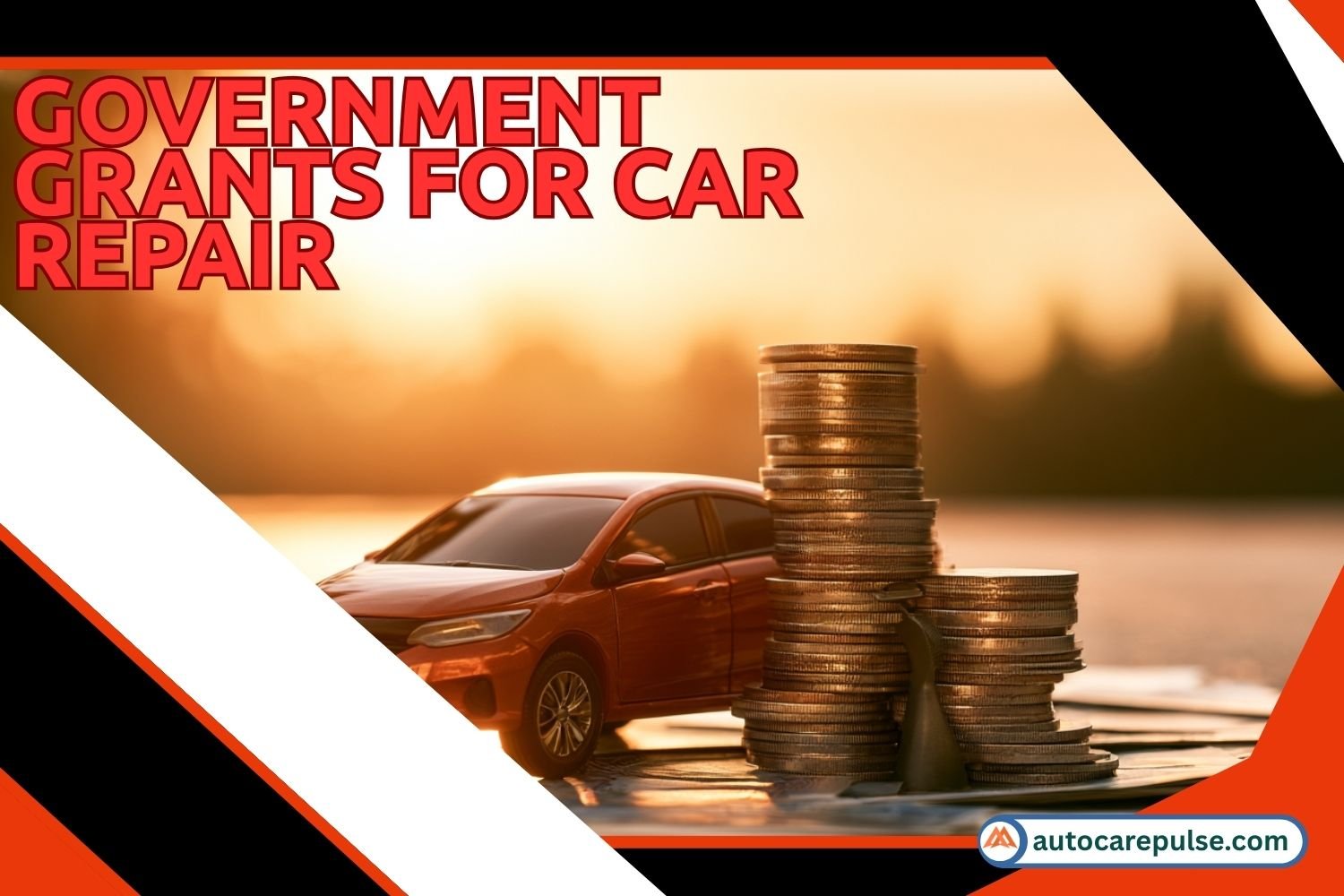
Government grants for car repair can be a valuable starting point for vehicle owners facing unexpected breakdowns and financial hardship. When a reliable car is essential for commuting to work, attending medical appointments, or supporting a family, repair bills can quickly become overwhelming. Fortunately, several assistance programs may help eligible individuals reduce these costs.
Although direct federal grants specifically for personal vehicle repairs are uncommon in the United States, financial support may be available through local Community Action Agencies, nonprofit organizations, charities, and employment assistance programs. Depending on your location, income, and circumstances, you may qualify for emergency repair assistance, discounted mechanic services, transportation support, or help purchasing a reliable vehicle.
Finding the right program requires understanding eligibility requirements, preparing the necessary documents, and verifying that assistance is available in your area. In this guide, we’ll explore potential funding sources, application steps, eligibility criteria, and practical alternatives to help you find affordable car repair assistance and get back on the road.
Classifying available financial assistance and car repair aid categories helps determine expected funding sources when evaluating government grants for car repair:
1. Community Action Agency Emergency Grants: Local non-profit agencies funded by federal CSBG grants offering emergency utility, rent, or car repair vouchers ($200 – $1,000 emergency grant).
2. Non-Profit Charity Programs (e.g., Working Cars for Families): Charitable organizations partnering with local repair shops to donate free or subsidized vehicle fixes to low-income workers ($300 – $1,500 repair subsidy).
3. State Emissions Repair Assistance Vouchers: State government environmental programs (such as California’s Clean Cars 4 All) providing grants to high-polluting vehicles ($500 – $1,200 repair voucher).
4. Faith-Based & Salvation Army Emergency Aid: Local religious and charitable groups providing discretionary financial assistance for essential transportation needs ($100 – $500 direct vendor payment).
5. Safety Assessment & Threshold: Classification: Monitor, Service Soon, Urgent Transportation Crisis Relief, or Grant Scam Warning. While online scam ads should be monitored, local agency applications should be submitted soon, and employment-essential transportation crises demand immediate relief.
Nitrile Gloves & Eye Protection: Protecting hands and eyes from cleaning solutions, isopropyl alcohol wipes, and sharp metal edges during the service of vehicle components.
Community Action Agency Emergency Grants: Local non-profit agencies funded by federal CSBG grants offering emergency utility, rent, or car repair vouchers ($200 – $1,000 emergency grant).
Non-Profit Charity Programs (e.g., Working Cars for Families): Charitable organizations partnering with local repair shops to donate free or subsidized vehicle fixes to low-income workers ($300 – $1,500 repair subsidy).
State Emissions Repair Assistance Vouchers: State government environmental programs (such as California’s Clean Cars 4 All) providing grants to fix high-polluting vehicles ($500 – $1,200 repair voucher).
Faith-Based & Salvation Army Emergency Aid: Local religious and charitable groups providing discretionary financial assistance for essential transportation needs ($100 – $500 direct vendor payment).
The table below outlines assistance program types, how programs operate, and average aid ranges when evaluating government grants for car repair metrics:
| Assistance Program Type | How the Program Operates | Average Aid / Benefit Range |
| Community Action Agency Emergency Grants | Local non-profit agencies funded by federal CSBG grants offering emergency utility, rent, or car repair vouchers | $200 – $1,000 emergency grant |
| Non-Profit Charity Programs (e.g., Working Cars for Families) | Charitable organizations partnering with local repair shops to donate free or subsidized vehicle fixes to low-income workers | $300 – $1,500 repair subsidy |
| State Emissions Repair Assistance Vouchers | State government environmental programs (such as California’s Clean Cars 4 All) providing grants to fix high-polluting vehicles | $500 – $1,200 repair voucher |
Reviewing these selection parameters helps prospective buyers align their vehicle repair needs with professional assistance specifications. Spotting these classification markers early tells you precisely what elements of assessing government grants for car repair metrics to anticipate. Identifying the exact nature of your vehicle’s technical layout ensures your subsequent service choices target the correct performance tier before service commitments are finalized. Selecting proper knowledge regarding government grants for car repair options prevents errors during routine marketplace comparisons. Executing these routine checks ensures reliable, clean vehicle performance on demand.
Follow these structured steps to apply for financial assistance and car repair grants effectively when managing a government grants for car repair project:
Step 1: Contact Local Community Action Agencies: Reach out to your local Community Action Partnership office or dial 211 to inquire about available emergency transportation grants.
Step 2: Gather Financial and Vehicle Documentation: Prepare proof of household income (tax returns, paystubs), vehicle title, registration, insurance, and a professional mechanic’s repair estimate.
Step 3: Submit Formal Applications: Complete application forms accurately, detailing how the vehicle repair directly impacts your employment and family stability.
Step 4: Direct Vendor Payment Coordination: If approved, ensure the grant funds are paid directly by the agency to the licensed repair shop rather than issued as cash to you.
Step 5: Final Quality Verification & Sign-Off: Review the completed work file, verify warranty documentation, and confirm vehicle roadworthiness before pickup.
Why Material Selection Matters to Long-Term Ownership Longevity. Utilizing high-grade full-synthetic motor oils, OEM-specified replacement fluids, and durable mechanical components ensures proper performance and reliability across diverse vehicle systems. Similarly, relying on manufacturer maintenance schedules safeguards internal engine components, transmission controls, and electronic networks against improper installation and premature failure. Selecting durable vehicle maintenance supplies and avoiding common maintenance errors provides long-term financial predictability, particularly for owners planning to keep their vehicle well past its warranty coverage period.
Proper vehicle detailing, tool organization, and professional hardware inspection for service tracking require basic physical and digital tools. Essential equipment for examining and installing items when evaluating government grants for car repair optimization includes 211 resource directories, agency application forms, financial document folders, itemized mechanic repair estimates, clean shop rags, work gloves, and heavy-duty rated hydraulic jack stands. Having proper tools impacts evaluations when attempting home financial applications versus visiting a professional certified community agency. Knowing your tool limitations affects expenses related to fitting components yourself versus paying professional shop labor rates.
Several key eligibility variables determine whether an applicant qualifies for government-funded or charitable car repair assistance when managing government grants for car repair. Universal aftermarket parts and generic maintenance schedules offer budget-friendly savings, but they may lack the exact engineering tolerances and warranty protections of custom-engineered OEM assemblies.
The table below outlines common mistakes, consequences, and how to avoid them when evaluating government grants for car repair options:
| Common Mistake | Consequence | How to Avoid It |
| Falling for Upfront Fee Scams | Paying money to online websites promising guaranteed government car repair grants | Never pay application fees or wire money to claim grants; legitimate agencies are free. |
| Waiting Until Total Engine Failure | Waiting until a car is completely totaled before seeking help, making it harder for charities to justify repair costs | Apply for assistance early when minor mechanical issues arise before total breakdown. |
| Failing to Provide Written Estimates | Applying for grants without obtaining an official itemized diagnostic estimate from a licensed mechanic first | Secure an official written diagnostic estimate from a mechanic before applying for aid. |
Sidestepping these classic service and repair buying pitfalls prevents extended frustration and controls expenses associated with managing vehicle maintenance over time. Paying close attention to detail ensures your purchasing efforts improve compatibility understanding regarding government grants for car repair selections. Avoiding these errors ensures maximum safety:
Mistake 1: Paying money to online websites promising guaranteed government car repair grants.
Mistake 2: Waiting until a car is completely totaled before seeking help, making it harder for charities to justify repair costs.
Mistake 3: Applying for grants without obtaining an official itemized diagnostic estimate from a licensed mechanic first.
Mistake 4: Working underneath a vehicle supported solely by a hydraulic floor jack without using rated heavy-duty jack stands during DIY checks.
Attempting to ignore scheduled maintenance milestones places you at severe risk of unexpected repair budget shortfalls. Always double-check service records before estimating your budget for government grants for car repair.
Following methodical service practices ensures optimal vehicle reliability while shielding electrical circuits and powertrain components when managing government grants for car repair upkeep. States with strict smog regulations offer unique vehicle repair grants for low-income residents to pass emissions tests in state-specific clean air voucher regions. When performing DIY checks or interacting with service bays, always ensure your vehicle is parked on level ground with the parking brake engaged. Furthermore, rural areas often have fewer public transit options, prioritizing automotive repair grants for workers living far from job centers in rural vs. urban transit aid zones.
The table below outlines safety precautions, environmental controls, and best practices when setting up strategies for government grants for car repair:
| Safety & Workspace Rule | Environmental Control | Primary Purpose |
| 211 Community Resources Directory | Telephone & online database | Connects drivers with local non-profits, churches, and transit funds in zip codes. |
| Community Action Partnership Locator | Official directory website | Locates nearest federally funded community action agencies providing emergency aid. |
| Vocational & Trade School Programs | Student-supervised garages | Performs affordable repairs for the cost of parts only under instructor supervision. |
Executing each phase of this workflow streamlines tasks tied to understanding service standards by ensuring proper alignment and financial security. Following these specific instructions ensures your approach remains grounded in professional automotive maintenance standards.
Comparing average financial assistance grant amounts against out-of-pocket repair expenses highlights realistic expectations when evaluating government grants for car repair. Managing a vehicle when evaluating government grants for car repair successfully comes down to anticipation rather than reaction.
The table below outlines realistic U.S. pricing across repair service categories, average out-of-pocket costs, and typical grant coverage when evaluating government grants for car repair options:
| Repair Service Category | Average Out-of-Pocket Cost | Typical Grant / Aid Coverage |
| Emergency Diagnostic & Minor Fix | $100 – $300 | $100 – $300 (Fully Covered) |
| Brake Pad & Rotor Replacement | $300 – $800 | $200 – $500 (Partial Voucher) |
| Alternator / Starter Replacement | $500 – $1,200 | $300 – $750 (Partial Subsidy) |
Analyzing these price points demonstrates how targeted investments in financial assistance programs guard against total vehicle loss and keep essential cars on the road. Entry-level emergency diagnostics and minor fixes cost between $100 and $300 and are often fully covered. Mid-tier brake pad and rotor replacements range from $300 to $800 with partial voucher support. Premium major transmission and engine overhauls range from $2,000 to $5,500+ and are rarely fully covered, though they may qualify for vehicle donations. Consistent preventative care safeguards your investment against premature wear during everyday commuting and severe weather exposure.
A frequent misconception is that asking about government grants for car repair means direct federal cash grants are freely handed out for private vehicle repairs; in reality, direct federal cash grants specifically for private car repairs do not exist, but federal funds flow through local Community Action Agencies to provide emergency financial aid and vouchers. Another myth is that online advertisements offering guaranteed government car repair grants are legitimate, whereas you should be highly skeptical of online ads or social media posts claiming free $5,000 grants, as these are almost always upfront-fee scams. Buyers often assume charities pay cash directly to vehicle owners, whereas legitimate agencies ensure grant funds are paid directly by the agency to the licensed repair shop rather than issued as cash.
1. Are direct government grants available for car repair?
Direct federal cash grants specifically for private car repairs are generally not available. However, some state and local assistance programs, often supported by public funding, may help eligible individuals cover emergency vehicle repair costs.
2. How can low-income drivers get help paying for car repairs?
Low-income drivers can contact local Community Action Agencies, dial 211 in the United States, or reach out to nonprofit organizations that provide emergency financial assistance for essential transportation needs.
3. Do religious charities or churches help pay for car repairs?
Yes, some churches, faith-based organizations, and local chapters of St. Vincent de Paul or The Salvation Army may offer emergency financial assistance for necessary vehicle repairs, depending on available funds and eligibility requirements.
4. How can I avoid car repair grant scams?
Never pay upfront fees, send money through wire transfers, or purchase gift cards to receive a government grant. Verify assistance programs through official government websites or recognized nonprofit organizations before sharing personal or financial information.
5. Can I get financial assistance to fix a car that failed emissions testing?
Yes, some states offer vehicle repair assistance programs for eligible drivers whose cars fail emissions testing. Check your state’s environmental agency or vehicle inspection department for available programs, income requirements, and covered repair costs.
6. What documents do I need to apply for car repair assistance?
You may need proof of household income, a valid driver’s license, vehicle registration, proof of insurance, and an itemized repair estimate from a mechanic. Some programs may also require proof of residency and vehicle ownership.
7. Do vocational schools offer affordable car repairs?
Yes, vocational schools and community colleges with automotive training programs sometimes offer lower-cost vehicle repairs performed by students under the supervision of qualified instructors. Contact nearby schools to ask about available services and repair fees.
8. When do you pay for car repair assistance services?
Payment arrangements depend on the assistance program. Some organizations pay approved funds directly to the repair shop, while others provide vouchers or reimburse eligible expenses. Confirm the payment process and any out-of-pocket costs before authorizing repairs.
Navigating financial help and community resources makes finding assistance for car repairs manageable when budgets are tight. To get started on your financial assistance search today, what to do now is dial 211, contact your local Community Action Agency office, gather your income and vehicle paperwork, and request an official repair estimate from a licensed mechanic. What can wait includes non-urgent cosmetic vehicle detailing while you prioritize securing emergency transportation assistance for work commuting. When to get professional help is required if your vehicle features complete engine failure, hazardous brake loss, or major structural damage; schedule an emergency evaluation with a community assistance partner or certified repair shop immediately. Drive safely across America. Mastering the financial and technical variables behind understanding selections for government grants for car repair projections guarantees that your vehicle ownership remains manageable, predictable, and secure across every mile you drive. By connecting with local Community Action Agencies, dialing 211, and avoiding online grant scams, you can secure legitimate financial aid to keep your vehicle safely on the road!