Phone:
(701)814-6992
Physical address:
6296 Donnelly Plaza
Ratkeville, Bahamas.
Phone:
(701)814-6992
Physical address:
6296 Donnelly Plaza
Ratkeville, Bahamas.

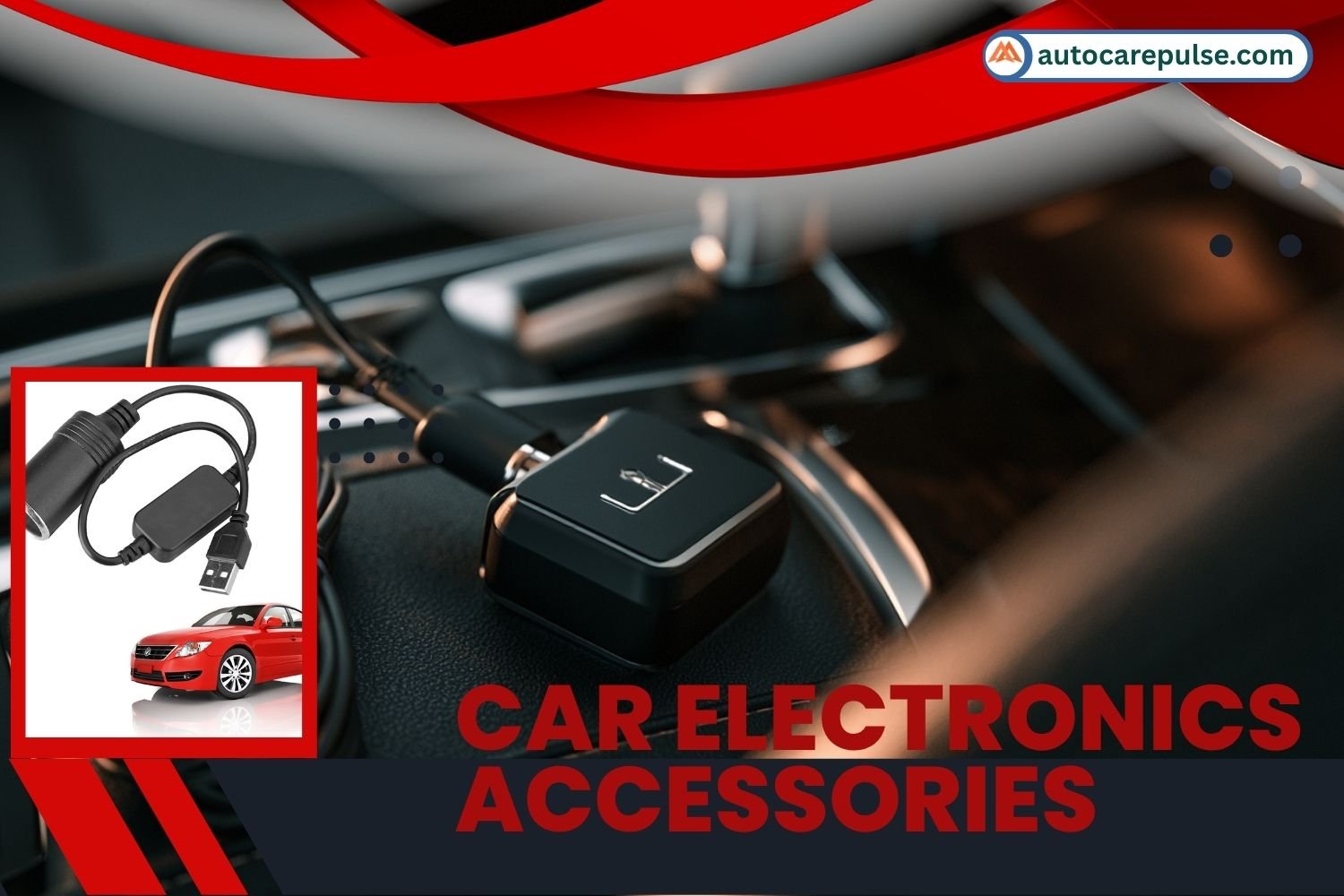
Equipping your vehicle with the right car electronics accessories is essential for maximizing cabin connectivity, enhancing navigation safety, and recording everyday driving incidents without risking electrical compatibility. Whether you are upgrading to high-definition dash cams, fast USB-C chargers, wireless CarPlay adapters, or OBD-II diagnostic scanners, choosing gear that matches your vehicle’s exact year, make, model, and infotainment architecture ensures reliable performance.
Evaluating these options carefully protects you from uncertified hardware that can blow vehicle fuses or drain starter batteries, allowing you to balance digital convenience with long-term electronic reliability. Staying informed about your selections guarantees that every daily commute or family road trip remains entertaining, secure, and well-managed across the miles.
Verify compatibility with your vehicle’s year, make, model, available ports, and infotainment system when evaluating car electronics accessories. Prioritize certified charging standards, durable construction, simple installation, and dependable warranties.
Nitrile Gloves & Eye Protection: Protecting hands and eyes from cleaning solutions, adhesive residue, and sharp dashboard edges during the installation of car electronics accessories.
The table below outlines primary selection factors, technical descriptions, and practical vehicle benefits when evaluating car electronics accessories.
| Accessory | Primary Purpose | Key Benefit |
| Dash Cam | Record driving | Evidence and security |
| USB-C Charger | Fast charging | Keeps devices powered |
| Bluetooth Adapter | Wireless audio | Hands-free connectivity |
| OBD-II Scanner | Vehicle diagnostics | Reads fault codes |
| Phone Mount | Navigation support | Safer viewing |
Reviewing these selection parameters helps prospective buyers align their technology needs with factory vehicle specifications. Spotting these classification markers early tells you precisely what elements of assessing car electronics accessories metrics to anticipate. Identifying the exact nature of your vehicle’s power outlets and dashboard layout ensures your subsequent upgrade choices target the correct performance tier before purchase commitments are finalized. Selecting proper knowledge regarding car electronics accessories options prevents errors during routine marketplace comparisons.
Build quality affects durability, heat resistance, charging efficiency, and long-term reliability in different U.S. climates.
The table below contrasts common car electronics accessories materials, common applications, and primary advantages.
| Material | Common Application | Advantage |
| ABS Plastic | Chargers and adapters | Lightweight and durable |
| Aluminum Alloy | Premium chargers | Better heat dissipation |
| Tempered Glass | Dash cam displays | Scratch resistance |
| Silicone | Phone mount grips | Secure device protection |
Why Material Selection Matters to Electronics Longevity. Quality materials help electronic accessories withstand vibration, heat, and everyday vehicle use. Selecting high-grade aluminum alloys and fire-retardant ABS plastics ensures that your car electronics accessories handle intense summer cabin temperatures without melting or short-circuiting.
Proper automotive electronics installation and cable management require basic physical tools. Essential equipment for examining and installing items when evaluating car electronics accessories upgrades includes a digital multimeter, wire strippers, electrical tape, adhesive cable clips, a plastic trim removal wedge, and a microfiber cleaning cloth. Having proper tools impacts evaluations when attempting home installations versus visiting a professional mobile electronics shop. Knowing your tool limitations affects expenses related to fitting components yourself versus paying professional shop labor fees.
Many plug-in accessories are universal, while integrated displays, wireless smartphone adapters, and vehicle-specific electronics may require compatibility with particular infotainment systems. Always verify your vehicle’s specifications before purchasing.
The table below outlines fitment categories, compatibility spans, and installation methods when evaluating car electronics accessories.
| Fitment Category | Compatibility Span | Installation Method |
| Universal Plug-In Chargers | Fits 95% of 12V Sockets & USB Ports | Plug-and-play auxiliary or 12V outlet insertion |
| Infotainment Adapters | Specific Factory CarPlay Head Units | Wireless dongle pairing via USB port |
| Hardwired Dash Cams | Universal 12V Electrical Systems | Fuse tap connection under dashboard panels |
Sidestepping these classic accessory buying pitfalls prevents extended frustration and controls expenses associated with managing vehicle technology over time. Paying close attention to detail ensures your purchasing efforts improve compatibility understanding regarding car electronics accessory selections. Avoiding these errors ensures maximum safety:
Mistake 1: Plugging high-draw multi-device chargers into fragile auxiliary circuits without checking maximum amperage ratings, risking blown fuses.
Mistake 2: Failing to route dash camera power wires cleanly, allowing loose cables to dangle across steering columns and obstruct driving controls.
Mistake 3: Ignoring infotainment system firmware requirements when purchasing wireless CarPlay adapters, leading to constant connection drops.
Mistake 4: Leaving unbranded OBD-II diagnostic scanners plugged into ports permanently on older vehicles, causing excessive parasitic battery drain.
Attempting to force incompatible USB-C PD fast chargers into older vehicle power ports places you at severe risk of damaging electrical contacts. Always double-check power output specifications before purchasing car electronics accessories.
Prepare the vehicle by parking safely, switching off the ignition, and cleaning mounting surfaces before installing accessories. Route cables carefully by keeping wiring away from pedals, steering components, airbags, and other moving parts, using cable clips where appropriate. Connect power properly using the correct USB, 12V outlet, or approved hardwire kit, avoiding overloading vehicle circuits. Verify operation by testing charging, Bluetooth pairing, camera recording, and navigation before driving.
The table below outlines installation steps, actions, and safety considerations when setting up car electronics accessories enhancements.
| Installation Step | Required Action | Safety & Fitment Goal |
| Vehicle Preparation | Park safely, turn off the ignition, and clean mounting surfaces | Ensures solid adhesive bonding and prevents electrical shorts |
| Cable Routing | Keep wiring away from pedals, airbags, and steering parts | Guarantees unhindered driver control and safety deployment |
| Power Connection | Use correct USB, 12V socket, or approved hardwire kit | Prevents circuit overload and protects vehicle fuses |
Executing each phase of this workflow streamlines tasks tied to understanding installation standards by ensuring proper alignment and electrical safety. Following these specific instructions ensures your approach remains grounded in professional automotive standards.
Evaluate electronic accessories based on compatibility, durability, warranty, software support, and safety features rather than price alone. Reliable products typically deliver better long-term performance for U.S. drivers.
The table below outlines accessories, typical pricing in USD, and best use cases when buying car electronics accessories.
| Accessory | Typical Price (USD) DOCX | Best For DOCX |
| USB-C Car Charger | $15–$45 | Fast charging |
| Bluetooth Adapter | $20–$70 | Wireless audio |
| Dash Cam | $60–$300 | Recording trips |
| Wireless CarPlay Adapter | $50–$150 | Cable-free connectivity |
| OBD-II Scanner | $30–$150 | Vehicle diagnostics |
Always confirm compatibility with your vehicle’s model year, infotainment system, power source, and available mounting locations before purchase. Consistent preventative care safeguards your investment against premature wear during everyday commuting and road trips.
A frequent misconception is that all car electronics accessories drain vehicle batteries instantly; in reality, plug-in devices consume minimal standby power, though hardwired equipment should be installed with low-voltage cutoff modules to prevent battery depletion during long parking intervals. Another myth is that any universal smartphone adapter works across all factory infotainment displays, whereas wireless CarPlay adapters require specific factory-wired CarPlay system support. Buyers often assume that budget chargers deliver advertised fast-charging speeds, whereas uncertified units lack proper power delivery protocols and overheat easily under heavy load.
1. Which car electronics accessories are most useful?
Dash cams, USB-C chargers, Bluetooth adapters, phone mounts, and OBD-II scanners are popular choices for everyday driving. They improve navigation, keep your devices powered, enhance convenience, and help identify potential vehicle issues.
2. Can car electronics accessories drain the vehicle battery?
Yes, some electronic accessories can drain the battery if they remain powered when the engine is off. Follow the manufacturer’s recommendations and use hardwire kits with low-voltage protection to help prevent excessive battery discharge.
3. Are universal car electronics accessories compatible with every vehicle?
Not all accessories are compatible with every vehicle. While basic USB chargers and phone mounts fit many cars, infotainment adapters and hardwired devices may require specific connections or compatibility checks. Always verify your vehicle’s specifications before purchasing.
4. Should I install car electronics accessories myself?
Simple plug-in accessories, such as USB chargers and phone mounts, are generally easy to install yourself. However, hardwired devices may require proper fuse selection and electrical knowledge. Consider professional installation for complex wiring to reduce the risk of electrical faults.
5. How do OBD-II scanners help everyday drivers?
OBD-II scanners connect to your vehicle’s diagnostic port to read trouble codes when the check engine light appears. They help you understand potential engine or emissions issues, making it easier to identify maintenance needs before visiting a repair shop.
Choose electronics that match your driving habits and vehicle specifications. Safe installation, proper cable management, and routine maintenance improve convenience, reliability, and long-term ownership value. Drive safely across America. Mastering the financial and technical variables behind understanding car electronics accessories enhancements guarantees that your vehicle technology ownership remains manageable, predictable, and secure across every mile you drive. Prioritize certified power delivery, verify infotainment compatibility, and maintain your gear regularly to ensure your electronic upgrades deliver years of dependable service on all your daily journeys.