Phone:
(701)814-6992
Physical address:
6296 Donnelly Plaza
Ratkeville, Bahamas.
Phone:
(701)814-6992
Physical address:
6296 Donnelly Plaza
Ratkeville, Bahamas.

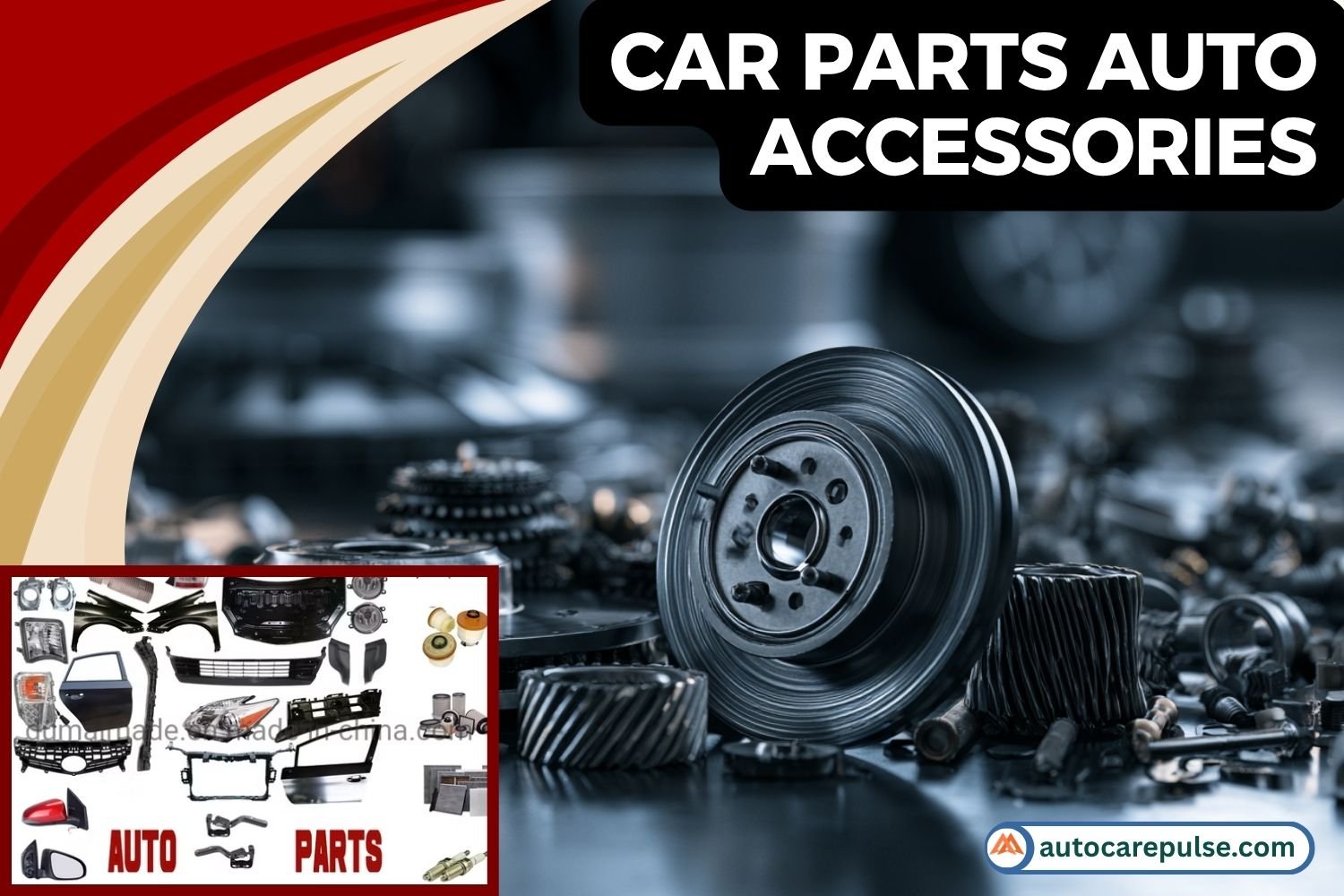
Choosing the right car parts auto accessories can enhance vehicle safety, comfort, reliability, and long-term value. From dependable brake pads and clean air filters to custom-fit floor mats and high-definition dash cameras, quality products help maintain your vehicle’s performance while protecting its interior.
Before purchasing, verify compatibility with your vehicle’s year, make, model, trim, and engine to avoid incorrect fittings and unnecessary expenses. By comparing product quality, durability, safety standards, and cost, U.S. drivers can make informed decisions that support reliable performance and everyday driving comfort.
Prioritize quality, fitment, warranty, durability, and intended use when choosing car parts auto accessories. Decide whether OEM or reputable aftermarket products best meet your needs and budget.
Nitrile Gloves & Eye Protection: Protect hands and eyes from grease, brake fluid, cleaning solutions, and sharp metal edges during the installation of car parts auto accessories.
The table below outlines primary selection factors, technical descriptions, and practical vehicle benefits when evaluating car parts auto accessories.
| Item | Primary Benefit | Typical Use |
| Brake Pads | Safer stopping | Routine maintenance |
| Air Filter | Engine protection | Scheduled replacement |
| Floor Mats | Interior protection | Daily driving |
| Dash Cam | Incident recording | Commuting |
| Phone Mount | Hands-free navigation | Travel |
| Wiper Blades | Clear visibility | All weather |
Reviewing these selection parameters helps prospective buyers align their maintenance needs with factory vehicle specifications. Spotting these classification markers early tells you precisely what elements of assessing car parts auto accessories metrics to anticipate. Identifying the exact nature of your vehicle’s engine and chassis configuration ensures your subsequent upgrade choices target the correct performance tier before purchase commitments are finalized.
Selecting proper knowledge regarding car parts auto accessories options prevents errors during routine marketplace comparisons. Select products that match your driving habits and local weather conditions for the best long-term value.
High-quality materials resist wear, heat, moisture, and UV exposure, making them better suited for diverse U.S. driving environments.
The table below contrasts common car parts and auto accessories materials, common applications, and primary advantages.
| Material | Common Application | Advantage |
| TPE | Floor mats | Waterproof and durable |
| ABS Plastic | Interior accessories | Lightweight |
| Aluminum Alloy | Phone mounts | Corrosion resistant |
| Rubber | Wiper blades | Flexible sealing |
| Steel | Brake components | High strength |
Why Material Selection Matters to Vehicle Longevity. Choose weather-resistant materials for vehicles exposed to snow, heat, rain, or coastal conditions. Selecting high-grade steel for braking components and multi-layer TPE for floor mats ensures that your car parts and accessory selections withstand intense seasonal temperature fluctuations without degrading. Maintaining clean surfaces and checking wear components regularly preserves the structural integrity of these parts over years of active driving.
Proper automotive maintenance and professional hardware installation require basic physical tools. Essential equipment for examining and installing items when evaluating car parts auto accessory upgrades includes a hydraulic floor jack, jack stands, a socket wrench set, a torque wrench, a digital multimeter, and a microfiber cleaning cloth.
Having proper tools impacts evaluations when attempting home installations versus visiting a commercial auto repair shop. Knowing your tool limitations affects expenses related to fitting components yourself versus paying professional shop labor fees.
Universal accessories such as phone mounts and USB chargers fit many vehicles, while brake components, filters, floor mats, and lighting products often require exact vehicle fitment. Always verify compatibility before installation.
The table below outlines fitment categories, coverage spans, and installation methods when evaluating car parts auto accessories.
| Fitment Category | Compatibility Span | Installation Method |
| Universal Gadgets | Fits 95% of U.S. Vehicles | Plug-and-play or suction mount placement |
| Vehicle-Specific Brake Parts | Exact Chassis & Engine Matching | Caliper bolt removal and direct rotor/pad replacement |
| Custom-Fit Floor Liners | Model-Specific Footwell Contours | OEM retention post locking mechanism |
Sidestepping these classic accessory buying pitfalls prevents extended frustration and controls expenses associated with managing vehicle maintenance over time. Paying close attention to detail ensures your purchasing efforts improve compatibility and understanding regarding car parts auto accessory selections. Avoiding these errors ensures maximum safety:
Mistake 1: Installing incorrect brake pad compounds that fail to match factory specifications, resulting in reduced stopping power and dangerous brake fade.
Mistake 2: Failing to verify vehicle engine and trim variations when ordering replacement air filters or cabin components.
Mistake 3: Over-tightening wheel lug nuts or caliper bolts without using a torque wrench, risking structural thread damage or wheel detachment.
Mistake 4: Stacking new all-weather floor mats on top of existing factory mats, bypassing retention hooks and jamming foot pedals.
Attempting to force unverified universal components into critical mechanical systems places you at severe risk of catastrophic mechanical failure. Always double-check fitment guides before purchasing car parts and accessories.
Confirm the part or accessory matches your vehicle’s year, make, model, trim, and engine. Follow the manufacturer’s recommendations and gather the required tools before starting. Use the correct fasteners and torque specifications where applicable, and ensure accessories do not interfere with vehicle safety systems. Verify proper operation after installation and inspect for loose hardware or warning indicators.
The table below outlines installation steps, actions, and safety considerations when setting up car parts auto accessories enhancements.
| Installation Step | Required Action | Safety & Fitment Goal |
| Fitment Verification | Confirm vehicle year, make, model, trim, and engine specs | Ensures proper physical dimensions and mechanical compatibility |
| Tool & Guide Review | Read manufacturer instructions and gather required tools | Prepares workspace and ensures correct procedural execution |
| Secure Fastening | Use correct torque specs and test operation before driving | Prevents loose hardware and guarantees system safety |
Executing each phase of this workflow streamlines tasks tied to understanding installation standards by ensuring proper alignment and mechanical safety. Following these specific instructions ensures your approach remains grounded in professional automotive standards.
Evaluate replacement parts and accessories by quality, warranty coverage, fitment accuracy, and expected service life instead of focusing only on purchase price. Quality products often provide better durability and can reduce long-term maintenance costs.
The table below outlines items, typical pricing in USD, and primary values when buying car parts auto accessories upgrades.
| Item | Typical Price (USD) DOCX | Primary Value DOCX |
| Brake Pads | $30–$150 | Reliable braking performance |
| Engine Air Filter | $15–$50 | Cleaner engine airflow |
| Floor Mats | $40–$200 | Interior protection |
| Dash Cam | $50–$250 | Driving evidence |
| Phone Mount | $15–$50 | Hands-free navigation |
| Wiper Blades | $20–$70 | Improved visibility |
Always verify compatibility using your vehicle’s exact specifications before purchasing replacement parts or accessories. Consistent preventative care safeguards your investment against premature wear during everyday commuting and road trips.
A frequent misconception is that all aftermarket car parts and accessories are inferior to original equipment manufacturer (OEM) parts; in reality, many high-end aftermarket components offer superior durability, enhanced braking grip, or advanced features that exceed factory specifications.
Another myth is that routine maintenance items like air filters and wiper blades can be neglected until total failure occurs, whereas timely replacement protects engine health and maintains clear windshield visibility during severe storms. Buyers often assume that universal accessories fit every car model seamlessly, whereas precision-engineered floor mats and custom-fit components are required to match unique vehicle floor pans and dashboard configurations.
1. Should I buy OEM or aftermarket car parts auto accessories?
OEM parts meet the vehicle manufacturer’s specifications, while quality aftermarket options may offer additional features, improved performance, or better value. Your choice depends on your budget, vehicle requirements, and maintenance goals.
2. How do I verify compatibility before purchasing car parts and auto accessories?
Check your vehicle’s year, make, model, trim, and engine details before ordering. Using your vehicle identification number (VIN) with a reliable parts catalog can help prevent compatibility issues and costly purchasing mistakes.
3. Which car parts and auto accessories offer the best value?
Floor mats, dash cams, phone mounts, and quality wiper blades provide practical everyday benefits. These items improve driving convenience, protect your vehicle’s interior, and support safer driving.
4. How often should I inspect replacement car parts?
Follow your vehicle manufacturer’s maintenance schedule and inspect essential components regularly. Checking brake pads, filters, tires, and fluid levels helps identify wear early and reduces the risk of unexpected mechanical problems.
5. How do high-performance brake pads differ from standard replacement pads?
Standard brake pads generally prioritize quiet operation, comfort, and reduced brake dust for everyday driving. High-performance ceramic or semi-metallic pads may offer improved braking response and greater resistance to brake fade under demanding conditions, depending on the specific product and vehicle.
Invest in dependable car parts and auto accessories that match your vehicle and driving needs. Proper fitment, quality materials, and regular maintenance help improve safety, reliability, and long-term ownership value. Drive safely across America. Mastering the financial and technical variables behind understanding car parts auto accessories enhancements guarantees that your vehicle ownership remains manageable, predictable, and secure across every mile you drive. Prioritize accurate fitment, verify product durability, and maintain your vehicle regularly to ensure your replacement parts and accessories deliver years of dependable service on all your daily journeys.