Phone:
(701)814-6992
Physical address:
6296 Donnelly Plaza
Ratkeville, Bahamas.
Phone:
(701)814-6992
Physical address:
6296 Donnelly Plaza
Ratkeville, Bahamas.

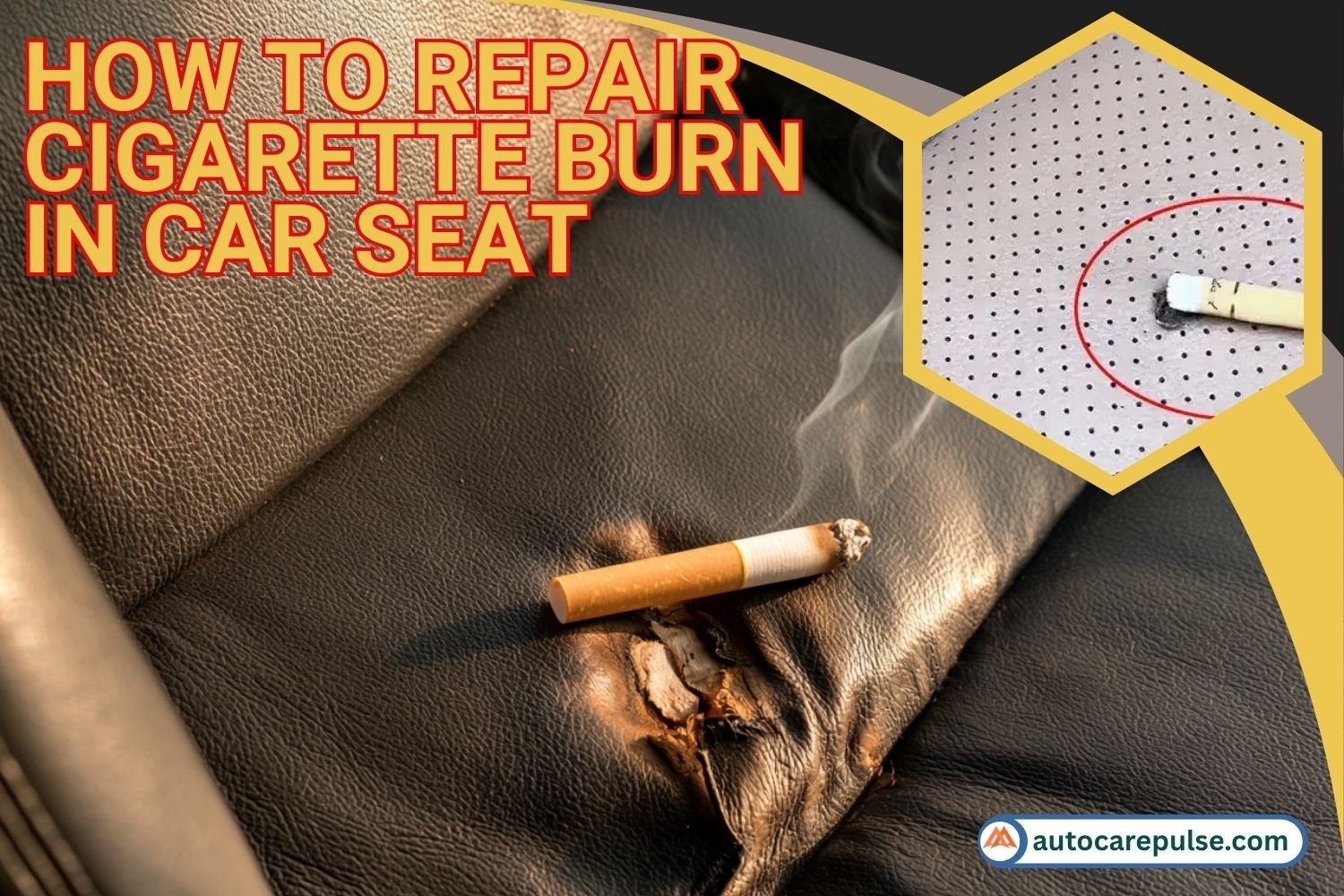
How to repair cigarette burn in car seat depends on the upholstery material, the size of the burn, and the extent of the damage. A small burn hole in a cloth seat can often be repaired at home using fabric adhesive, a backing patch, and matching fibers, while leather seats may require specialized repair compounds and color-matching products.
DIY repairs typically cost less than professional upholstery services, but larger holes or burns in heavily damaged areas may need expert attention. In this guide, you’ll learn how to assess the damage, choose the right repair method, estimate costs, and restore your car’s interior for a cleaner appearance and better long-term value.
Before starting, identify whether your seat material is cloth or leather/vinyl, as the repair technique differs entirely when evaluating how to repair cigarette burn in car seat:
1. Cloth Seat Burn Holes: Melted hard black crust surrounded by frayed synthetic fibers, exposing white foam underneath.
2. Leather/Vinyl Seat Burn Craters: Hardened, puckered edges where synthetic leather melted around the ember.
3. Expanded Foam Deterioration: Deep thermal damage where underlying cushion padding has melted and collapsed beneath the surface.
4. Oxidized Surface Soot: Dark smoke stains surrounding burn craters that require gentle chemical cleaning before patching.
5. Safety Assessment & Threshold: Classification: Monitor, Service Soon, or Service Immediately. While minor surface soot can be monitored, unrepaired burn craters trap dirt and should be serviced soon to prevent surrounding fabric or leather from tearing open over time.
Nitrile Gloves & Eye Protection: Protecting hands and eyes from cleaning solutions, isopropyl alcohol wipes, and sharp metal edges during the service of vehicle components.
Cloth Seat Burn Holes: Melted hard black crust surrounded by frayed synthetic fibers, exposing white foam underneath.
Leather/Vinyl Seat Burn Craters: Hardened, puckered edges where synthetic leather melted around the ember.
Expanded Foam Deterioration: Deep thermal damage where underlying cushion padding has melted and collapsed beneath the surface.
Oxidized Surface Soot: Dark smoke stains surrounding burn craters that require gentle chemical cleaning before patching.
The table below outlines DIY tools and materials, purposes, and estimated U.S. prices when evaluating how to repair cigarette burn in car seat metrics:
| Tool / Material | Purpose | Estimated U.S. Price |
| Leather & Vinyl Repair Kit (Color Compound) | Filling burn craters in leather/vinyl seats with exact color matching | $20 – $35 |
| Fabric Backing Patch & Flexible Adhesive | Providing a structural base underneath cloth burn holes | $10 – $18 |
| Donor Fuzz / Lint (Harvested from Under Seat) | Matching cloth seat texture and color invisibly | Free (DIY harvested) |
Reviewing these selection parameters helps prospective buyers align their vehicle repair needs with professional shop specifications. Spotting these classification markers early tells you precisely what elements of assessing how to repair cigarette burn in car seat metrics to anticipate. Identifying the exact nature of your vehicle’s technical layout ensures your subsequent service choices target the correct performance tier before service commitments are finalized. Selecting proper knowledge regarding how to repair cigarette burn in car seat options prevents errors during routine marketplace comparisons. Executing these routine checks ensures reliable, clean vehicle performance on demand.
Follow these specialized methods depending on whether you are repairing cloth fabric or leather seats when managing a how to repair cigarette burn in car seat project:
Step A1: Trim Charred Fibers: Use a sharp razor blade to carefully trim away all melted, hard black charred fibers from the cloth burn crater.
Step A2: Insert Fabric Patch: Slide a small piece of fabric backing patch underneath the hole using tweezers, and apply a drop of flexible fabric glue beneath it to secure it to the foam.
Step A3: Harvest Donor Fuzz: Harvest donor fuzz by gently scraping an unnoticeable area of fabric underneath the seat cushion with a razor blade or sandpaper.
Step A4: Mix and Press Paste: Mix the harvested fuzz fibers with a few drops of clear fabric adhesive and press the paste firmly into the burn crater until flush, letting it cure for 4 hours.
Step B1: Trim, Clean, Patch, and Compound: For leather seats, trim puckered melted edges, clean with isopropyl alcohol, insert a mesh backing patch if needed, apply color-matched leather compound in thin layers, and press grain paper over wet compound with gentle heat.
Why Material Selection Matters to Long-Term Ownership Longevity. Utilizing high-grade full-synthetic motor oils, OEM-specified replacement fluids, and durable mechanical components ensures proper performance and reliability across diverse vehicle systems. Similarly, relying on manufacturer maintenance schedules safeguards internal engine components, transmission controls, and electronic networks against improper installation and premature failure. Selecting durable vehicle maintenance supplies and avoiding common maintenance errors provides long-term financial predictability, particularly for owners planning to keep their vehicle well past its warranty coverage period.
Proper vehicle detailing, tool organization, and professional hardware inspection for service tracking require basic physical and digital tools. Essential equipment for examining and installing items when evaluating how to repair cigarette burn in car seat optimization includes leather and vinyl repair kits containing color compounds, fabric backing patches, flexible adhesives, harvested donor fuzz/lint, razor blades, precision tweezers, isopropyl alcohol, microfiber cloth, clean shop rags, work gloves, and heavy-duty rated hydraulic jack stands. Having proper tools impacts evaluations when attempting home interior fixes versus visiting a professional certified auto upholstery shop. Knowing your tool limitations affects expenses related to fitting components yourself versus paying professional shop labor rates.
DIY upholstery burn repair kit expenses and professional interior specialist rates vary across the U.S. market when managing how to repair cigarette burn in car seat. Universal aftermarket parts and generic maintenance schedules offer budget-friendly savings, but they may lack the exact engineering tolerances and warranty protections of custom-engineered OEM assemblies.
The table below outlines common mistakes, consequences, and how to avoid them when evaluating how to repair cigarette burn in car seat options:
| Common Mistake | Consequence | How to Avoid It |
| Leaving Charred Black Edges | Failing to trim away burnt fibers causes dark discoloration to bleed through your new patch | Meticulously trim away all black char and melted fibers using a sharp razor blade |
| Using Rigid Super Glue | Standard glue dries hard and crunchy, causing it to crack instantly under passenger weight | Always use flexible upholstery or fabric adhesives designed for vehicle seating |
| Overfilling Repair Craters | Piling too much compound or fuzz creates an unsightly bump that stands out under weight | Apply filling materials in thin, measured layers until completely flush |
Sidestepping these classic service and repair buying pitfalls prevents extended frustration and controls expenses associated with managing vehicle maintenance over time. Paying close attention to detail ensures your purchasing efforts improve compatibility understanding regarding how to repair cigarette burn in car seat selections. Avoiding these errors ensures maximum safety:
Mistake 1: Failing to trim away burnt fibers, causing dark discoloration to bleed through your new patch.
Mistake 2: Using standard cyanoacrylate super glue that dries hard and crunchy, cracking under passenger weight.
Mistake 3: Piling too much compound or fuzz into craters, creating unsightly bumps that stand out.
Mistake 4: Working underneath a vehicle supported solely by a hydraulic floor jack without using rated heavy-duty jack stands during DIY checks.
Attempting to ignore scheduled maintenance milestones places you at severe risk of unexpected repair budget shortfalls. Always double-check service records before estimating your budget for how to repair cigarette burn in car seat.
Following methodical service practices ensures optimal vehicle reliability while shielding electrical circuits and powertrain components when managing how to repair cigarette burn in car seat upkeep. Intense UV rays through windows can weaken patch adhesives if vehicles are parked outdoors unprotected for prolonged periods in Sunbelt regions (Arizona, Texas, Florida). When performing DIY checks or interacting with service bays, always ensure your vehicle is parked on level ground with the parking brake engaged. Furthermore, sub-zero temperatures make DIY patch adhesives brittle during initial curing in cold northern winters, so you should always perform interior repairs in a heated garage above 60 degrees Fahrenheit.
The table below outlines safety precautions, environmental controls, and best practices when setting up strategies for how to repair cigarette burn in car seat:
| Safety & Workspace Rule | Environmental Control | Primary Purpose |
| Leather & Vinyl Repair Kit | Color-matching compound tubes | Filling burn craters in leather/vinyl seats with exact color matching |
| Fabric Backing Patch | Mesh reinforcement backing | Providing a structural base underneath cloth burn holes securely |
| Razor Blade & Tweezers | Precision cutting tools | Trimming charred edges and positioning donor fibers or patches accurately |
Executing each phase of this workflow streamlines tasks tied to understanding service standards by ensuring proper alignment and financial security. Following these specific instructions ensures your approach remains grounded in professional automotive maintenance standards.
DIY upholstery burn repair kits cost between $20 and $40 total, while mobile interior upholstery specialists range from $100 to $250 per burn, and professional upholstery shops range from $350 to $800+ when evaluating how to repair cigarette burn in car seat. Managing a vehicle when evaluating how to repair cigarette burn in car seat successfully comes down to anticipation rather than reaction.
The table below outlines realistic U.S. pricing across repair approaches, estimated U.S. costs, and time investments when evaluating how to repair cigarette burn in car seat options:
| Repair Approach | Estimated U.S. Cost | Time Investment |
| DIY Upholstery Burn Repair Kit | $20 – $40 total | 1 to 2 hours |
| Mobile Interior Upholstery Specialist | $100 – $250 per burn | 1–2 hours onsite |
| Professional Upholstery Shop (Panel Recover) | $350 – $800+ | 1 full day |
Analyzing these price points demonstrates how targeted investments in DIY burn repair kits guard against expensive upholstery shop bills and preserve vehicle resale value. Entry-level fabric backing patches and flexible adhesives cost between $10 and $18. Mid-tier leather and vinyl repair kits range from $20 to $35. Premium isopropyl alcohol and microfiber cleaning cloth kits range from $6 and $12. Consistent preventative care safeguards your investment against premature wear during everyday commuting and severe weather exposure.
A frequent misconception is that asking about how to repair cigarette burn in car seat means cigarette burns can be repaired so they are 100% invisible; in reality, on cloth seats using matching donor fuzz, repairs can be virtually invisible, but on leather or vinyl seats, a slight textural or color outline may be visible upon close inspection under bright light. Another myth is that you can use toothpaste or baking soda to fix a burn hole, whereas internet hacks suggesting toothpaste or baking soda do not repair structural burn holes or missing material, as they only clean surface soot temporarily. Buyers often assume auto insurance covers cigarette burn repairs, whereas insurance policies classify interior cigarette burns as normal wear and tear or owner negligence, which is entirely excluded from standard coverage.
1. Can cigarette burns be repaired so they are 100% invisible?
Cigarette burns in car seats can often be repaired to look nearly invisible, especially on fabric upholstery. Using matching donor fibers and suitable repair materials can blend the damaged area with the surrounding fabric. However, leather and vinyl repairs may leave slight differences in color or texture under bright light.
2. Where can I get donor fibers if my car has no hidden fabric under the seat?
If you cannot find hidden fabric beneath your seat, you can carefully collect tiny fibers from an inconspicuous seam allowance or use a matching upholstery fabric sample. Choose fibers that closely match the original seat’s color and texture for a more natural-looking repair.
3. Can I use toothpaste or baking soda to fix a cigarette burn hole?
No, toothpaste and baking soda cannot replace missing upholstery material or repair a cigarette burn hole. These household products may help with certain surface-cleaning tasks, but they will not restore damaged fabric, leather, or vinyl. Use appropriate upholstery repair materials instead.
4. Does car insurance cover cigarette burn repairs?
Car insurance coverage for cigarette burn repairs depends on your policy and the circumstances of the damage. Many standard policies exclude gradual wear and cosmetic damage, while some types of accidental damage may be covered. Check your policy or contact your insurer before paying for repairs.
5. How long should I wait before sitting on a repaired car seat?
The waiting time depends on the adhesive or repair compound used. Some products require several hours, while others may need 24 hours or longer to cure fully. Follow the manufacturer’s instructions and avoid using the seat until the repair has completely set.
6. Can mobile upholstery specialists repair cigarette burns at home?
Yes, many mobile auto upholstery specialists offer on-site cigarette burn repairs at your home or workplace. The repair may take around one to two hours, depending on the size of the burn, the upholstery material, and the repair method.
7. Do upholstery shops charge for cigarette burn repair estimates?
Many auto upholstery shops offer free estimates, but some may charge an inspection fee depending on the damage and assessment required. Contact a few local specialists to compare prices and ask whether the estimate includes the cost of materials and labor.
8. What temperature is needed to cure leather repair compounds?
There is no single temperature suitable for every leather repair compound. Some products require controlled heat to set a grain pattern, while others cure at room temperature. Always follow the product manufacturer’s instructions and avoid excessive heat, which can damage leather, vinyl, or nearby upholstery.
Repairing a cigarette burn in your car seat yourself is a highly cost-effective weekend project that eliminates unsightly blemishes and restores your cabin’s appeal. To get started on your cigarette burn repair today: what to do now is assess your seat material type, meticulously trim away all charred black edges, and apply either donor fuzz with fabric glue for cloth seats or color-matched leather compound for leather seats. What can wait includes non-urgent cosmetic detailing while you prioritize sealing open burn craters against moisture and tearing. When to get professional help is required if your vehicle features massive structural seat damage or extensive melting near safety systems; schedule an appointment with a mobile interior specialist or professional upholstery shop. Drive safely across America. Mastering the financial and technical variables behind understanding selections for how to repair cigarette burn in car seat projections guarantees that your vehicle ownership remains manageable, predictable, and secure across every mile you drive. By meticulously trimming charred edges, using donor fuzz or color-matched leather compounds, and taking your time with precision application, you can make burn marks disappear and protect your vehicle’s interior finish!