Phone:
(701)814-6992
Physical address:
6296 Donnelly Plaza
Ratkeville, Bahamas.
Phone:
(701)814-6992
Physical address:
6296 Donnelly Plaza
Ratkeville, Bahamas.

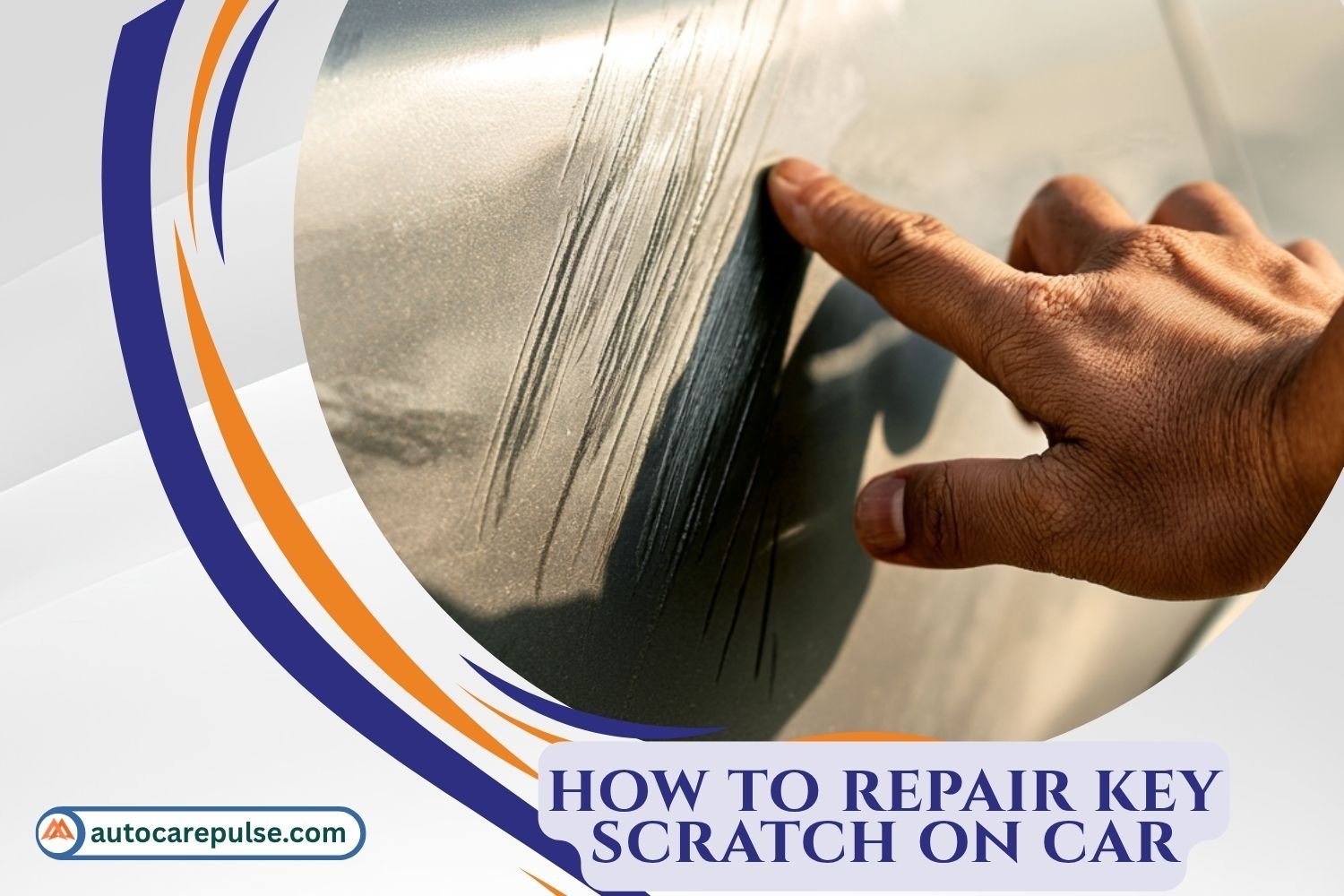
How to repair key scratch on car depends on the depth of the damage, your vehicle’s paint color, and whether the scratch has reached the primer or bare metal. Minor scratches may be improved with polishing, while deeper marks often require color-matched touch-up paint or professional bodywork.
Before choosing a repair method, clean the affected area and inspect the scratch carefully. Understanding the damage, comparing DIY supplies with professional repair costs, and using the correct paint products can help restore your car’s appearance while preventing rust and unnecessary expenses.
Before buying materials, run your fingernail across the key mark perpendicular to its direction when evaluating how to repair key scratch on car:
1. Surface Clear Coat Scuff: Fingernail glides smoothly without catching. Easily buffed out using rubbing compound and a microfiber towel.
2. Moderate Primer-Deep Scratch: Fingernail catches firmly. White primer is visible at the bottom of the trench, but metal is untouched.
3. Severe Metal-Deep Scratch: Shiny bare steel is exposed at the bottom of the groove, demanding immediate rust protection and primer application.
4. Oxidized Trench Edges: Weathered paint boundaries surrounding key mark lines that require careful degreasing before application.
5. Safety Assessment & Threshold: Classification: Monitor, Service Soon, or Urgent Repair. While surface clear coat scuffs can be monitored, moderate primer-deep scratches should be serviced soon, and severe metal-deep scratches demand urgent repair to prevent flash rust.
Nitrile Gloves & Eye Protection: Protecting hands and eyes from cleaning solutions, isopropyl alcohol wipes, and sharp metal edges during the service of vehicle components.
Surface Clear Coat Scuff: Fingernail glides smoothly without catching. Easily buffed out using rubbing compound and a microfiber towel.
Moderate Primer-Deep Scratch: Fingernail catches firmly. White primer is visible at the bottom of the trench, but metal is untouched.
Severe Metal-Deep Scratch: Shiny bare steel is exposed at the bottom of the groove, demanding immediate rust protection and primer application.
Oxidized Trench Edges: Weathered paint boundaries surrounding key mark lines that require careful degreasing before application.
The table below outlines DIY tools and materials, purposes, and estimated U.S. prices when evaluating how to repair key scratch on car metrics:
| Tool / Material | Purpose | Estimated U.S. Price |
| OEM Touch-Up Paint Kit (Primer + Color + Clear) | Providing exact factory paint color match, base coat, and protective clear coat | $25 – $45 |
| Isopropyl Alcohol (91%) & Microfiber Cloth | Deep cleaning and degreasing key scratch trenches before painting | $4 – $8 |
| Fine Wooden Toothpicks | Applying microscopic drops of paint precisely inside narrow key lines | $3 – $6 |
Reviewing these selection parameters helps prospective buyers align their vehicle repair needs with professional shop specifications. Spotting these classification markers early tells you precisely what elements of assessing how to repair key scratch on car metrics to anticipate. Identifying the exact nature of your vehicle’s technical layout ensures your subsequent service choices target the correct performance tier before service commitments are finalized. Selecting proper knowledge regarding how to repair key scratch on car options prevents errors during routine marketplace comparisons. Executing these routine checks ensures reliable, clean vehicle performance on demand.
Achieving a seamless, professional finish on intentional key scratches requires meticulous preparation and multi-layer touch-up techniques when managing a how to repair key scratch on car project:
Step 1: Thorough Cleaning and Prep: Wash the scratched door or panel thoroughly with car soap and dry completely. Wipe down the entire key scratch trench using a clean microfiber cloth dampened with 91% isopropyl alcohol to strip away all wax, silicone, and road grime.
Step 2: Apply Primer (If Bare Metal is Exposed): Inspect the bottom of the key mark. If you spot shiny bare steel or brown oxidation, use the tip of a sewing needle to clean it out, and apply a microscopic drop of automotive self-etching primer into the groove using a clean toothpick, letting it dry for 20 minutes.
Step 3: Apply the Color Base Coat: Shake your factory-matched touch-up paint bottle. Dip the tip of a clean toothpick into the paint and carefully touch it to the scratch trench so capillary action draws the paint neatly along the key mark, letting it dry for 30 minutes before adding a second thin layer if primer still peeks through.
Step 4: Apply the Clear Coat Layer: Once the color coat dries to a matte finish, apply a micro-layer of clear coat over the color line using a fresh toothpick, ensuring it sits just a fraction higher than the surrounding factory paint surface to create a tiny raised ridge for wet sanding.
Step 5: Wet Sanding and Polishing: Allow the paint to cure for 24 to 48 hours, soak 2500-grit sandpaper in soapy water, gently sand the cured touch-up line flat until flush with the surrounding clear coat, and buff with rubbing compound and polishing paste to restore brilliance.
Why Material Selection Matters to Long-Term Ownership Longevity. Utilizing high-grade full-synthetic motor oils, OEM-specified replacement fluids, and durable mechanical components ensures proper performance and reliability across diverse vehicle systems. Similarly, relying on manufacturer maintenance schedules safeguards internal engine components, transmission controls, and electronic networks against improper installation and premature failure. Selecting durable vehicle maintenance supplies and avoiding common maintenance errors provides long-term financial predictability, particularly for owners planning to keep their vehicle well past its warranty coverage period.
Proper vehicle detailing, tool organization, and professional hardware inspection for service tracking require basic physical and digital tools. Essential equipment for examining and installing items when evaluating how to repair key scratch on car optimization includes OEM touch-up paint kits, 91% isopropyl alcohol, microfiber cloths, fine wooden toothpicks, 2500-grit wet sandpaper, rubber sanding blocks, rubbing compound, finishing polish, clean shop rags, work gloves, and heavy-duty rated hydraulic jack stands. Having proper tools impacts evaluations when attempting home paint restoration versus visiting a professional certified auto body shop. Knowing your tool limitations affects expenses related to fitting components yourself versus paying professional shop labor rates.
DIY material expenses and professional shop rates vary across the U.S. market when managing how to repair key scratch on car. Universal aftermarket parts and generic maintenance schedules offer budget-friendly savings, but they may lack the exact engineering tolerances and warranty protections of custom-engineered OEM assemblies.
The table below outlines common mistakes, consequences, and how to avoid them when evaluating how to repair key scratch on car options:
| Common Mistake | Consequence | How to Avoid It |
| Using Wide Factory Brushes | Dumps far too much paint, creating an ugly thick ridge | Always use a fine toothpick for precision application |
| Skipping Primer on Bare Metal | Applying color paint directly over raw steel without primer causes rust to bubble underneath, leading to paint peeling | Always apply a micro-drop of self-etching primer to exposed bare steel |
| Rushing Dry Times | Attempting to sand or clear coat before the base layer cures ruins the final texture and durability of the repair | Allow each paint layer to cure fully according to recommended intervals |
Sidestepping these classic service and repair buying pitfalls prevents extended frustration and controls expenses associated with managing vehicle maintenance over time. Paying close attention to detail ensures your purchasing efforts improve compatibility understanding regarding how to repair key scratch on car selections. Avoiding these errors ensures maximum safety:
Mistake 1: Dumping far too much paint and creating ugly thick ridges by using wide factory brushes instead of fine toothpicks.
Mistake 2: Causing rust to bubble underneath by applying color paint directly over raw steel without primer.
Mistake 3: Ruining texture and durability by attempting to sand or clear coat before the base layer cures.
Mistake 4: Working underneath a vehicle supported solely by a hydraulic floor jack without using rated heavy-duty jack stands during DIY checks.
Attempting to ignore scheduled maintenance milestones places you at severe risk of unexpected repair budget shortfalls. Always double-check service records before estimating your budget for how to repair key scratch on car.
Following methodical service practices ensures optimal vehicle reliability while shielding electrical circuits and powertrain components when managing how to repair key scratch on car upkeep. Road salt spread during winter storms enters unsealed key scratches instantly in Rust Belt states (Midwest & Northeast), triggering rapid rust bubbling along car doors. When performing DIY checks or interacting with service bays, always ensure your vehicle is parked on level ground with the parking brake engaged. Furthermore, intense UV rays quickly oxidize exposed primer inside deep key marks in Sunbelt states (Texas, Arizona, Florida), turning malicious scratches into glaring white lines.
The table below outlines safety precautions, environmental controls, and best practices when setting up strategies for how to repair key scratch on car:
| Safety & Workspace Rule | Environmental Control | Primary Purpose |
| OEM Touch-Up Paint Kit | Factory paint color-match bottles | Providing exact factory paint color match, base coat, and protective clear coat |
| Isopropyl Alcohol (91%) | Chemical solvent cleaning wipe | Deep cleaning and degreasing key scratch trenches before painting |
| 2500-Grit Wet Sandpaper | Lubricated micro-abrasive sheets | Leveling cured touch-up paint flat with surrounding factory clear coat |
Executing each phase of this workflow streamlines tasks tied to understanding service standards by ensuring proper alignment and financial security. Following these specific instructions ensures your approach remains grounded in professional automotive maintenance standards.
DIY touch-up paint kits and tools cost between $30 and $55 total, while mobile scratch repair technicians range from $150 to $300 per panel, and traditional full-service body shops range from $400 to $900+ per panel when evaluating how to repair key scratch on car. Managing a vehicle when evaluating how to repair key scratch on car successfully comes down to anticipation rather than reaction.
The table below outlines realistic U.S. pricing across repair approaches, estimated U.S. costs, and time investments when evaluating how to repair key scratch on car options:
| Repair Approach | Estimated U.S. Cost | Time Investment |
| DIY Touch-Up Paint Kit & Tools | $30 – $55 total | 2 to 3 hours |
| Mobile Scratch Repair Technician | $150 – $300 per panel | 1–2 hours onsite |
| Traditional Full-Service Body Shop (Respray) | $400 – $900+ per panel | 1 to 2 days |
Analyzing these price points demonstrates how targeted investments in DIY touch-up paint kits guard against expensive body shop resprays and preserve vehicle resale value. Entry-level isopropyl alcohol and microfiber cloth supplies cost between $4 and $8. Mid-tier OEM touch-up paint kits range from $25 to $45. Premium rubbing compound and finishing polish kits range from $15 to $25. Consistent preventative care safeguards your investment against premature wear during everyday commuting and severe weather exposure.
A frequent misconception is that asking about how to repair key scratch on car means a key scratch on a car can be made completely invisible; in reality, while filling and wet sanding restores 90% to 95% of appearance and prevents rust, a very faint outline may remain visible upon close inspection under direct sunlight. Another myth is that auto insurance never covers vandalism, whereas comprehensive auto insurance covers intentional vandalism like keying, though if your deductible is $500 or $1,000, paying out-of-pocket for a DIY touch-up kit is usually much cheaper. Buyers often assume touch-up paint pens work best for key marks, whereas touch-up paint pens with chisel tips work okay for rock chips, but fine toothpicks offer much better precision for long, narrow key scratch trenches.
1. Can a key scratch on a car be made completely invisible?
Yes, minor key scratches can often be repaired to blend closely with the original paint. However, deeper scratches may leave a faint outline, especially under direct sunlight. The final result depends on the scratch depth and the repair method used.
2. Does car insurance cover vandalism key scratch repairs?
Comprehensive auto insurance may cover intentional vandalism, including key scratches, depending on your policy. Check your deductible and coverage terms before filing a claim, as paying for a minor repair yourself may be more affordable.
3. Can I use touch-up paint pens for key scratches?
Yes, touch-up paint pens can help repair narrow scratches that reach the paint layer. Apply thin coats carefully and follow the manufacturer’s instructions. For deeper or longer scratches, professional repair may provide a smoother finish.
4. How long should I wait before washing my car after a key scratch repair?
Wait until the repair paint has cured according to the product manufacturer’s instructions before washing your vehicle. Some touch-up products require several days or longer to cure fully. Avoid automatic car washes and harsh chemicals until the finish is ready.
5. What happens if I ignore a key scratch on my car door?
If a key scratch exposes the bare metal, moisture and oxygen can cause rust to develop over time. This may lead to paint bubbling, peeling, and further damage. Repairing the scratch promptly helps protect the underlying metal.
6. How do I remove oxidation from the bottom of a key scratch?
Clean the damaged area gently with an automotive-safe cleaner and inspect it for rust. Avoid using a sewing needle, as it can cause additional damage. If corrosion has developed, a professional can remove it and apply the appropriate primer and paint.
7. Why is applying clear coat important when repairing a key scratch?
Clear coat protects the color layer, adds gloss, and helps the repaired area blend with the surrounding finish. Apply it according to the product instructions, and avoid aggressive wet sanding unless you have the right tools and experience.
8. Are mobile scratch repair technicians faster than body shops?
Mobile scratch repair technicians can often complete minor repairs at your home or workplace in a few hours. Traditional body shops may need longer, especially for deep scratches or extensive repainting. Repair time depends on the damage, drying requirements, and the service provider.
Repairing a key scratch on your car yourself is a highly cost-effective weekend project that saves hundreds in body shop fees while protecting your vehicle against destructive rust. To get started on your key scratch repair today: what to do now is clean the trench with 91% isopropyl alcohol, apply self-etching primer to exposed bare steel, fill with color base coat and clear coat using a toothpick, and wet-sand flat. What can wait includes non-urgent cosmetic polishing while you prioritize sealing exposed metal against moisture and road salt. When to get professional help is required if your vehicle features extensive vandalism across multiple doors or deep structural panel damage; schedule an appointment with a mobile technician or traditional body shop. Drive safely across America. Mastering the financial and technical variables behind understanding selections for how to repair key scratch on car projections guarantees that your vehicle ownership remains manageable, predictable, and secure across every mile you drive. By cleaning meticulously, priming exposed metal, applying touch-up paint with a toothpick, and wet sanding flat, you can successfully erase malicious key marks and keep your car looking pristine!