Phone:
(701)814-6992
Physical address:
6296 Donnelly Plaza
Ratkeville, Bahamas.
Phone:
(701)814-6992
Physical address:
6296 Donnelly Plaza
Ratkeville, Bahamas.

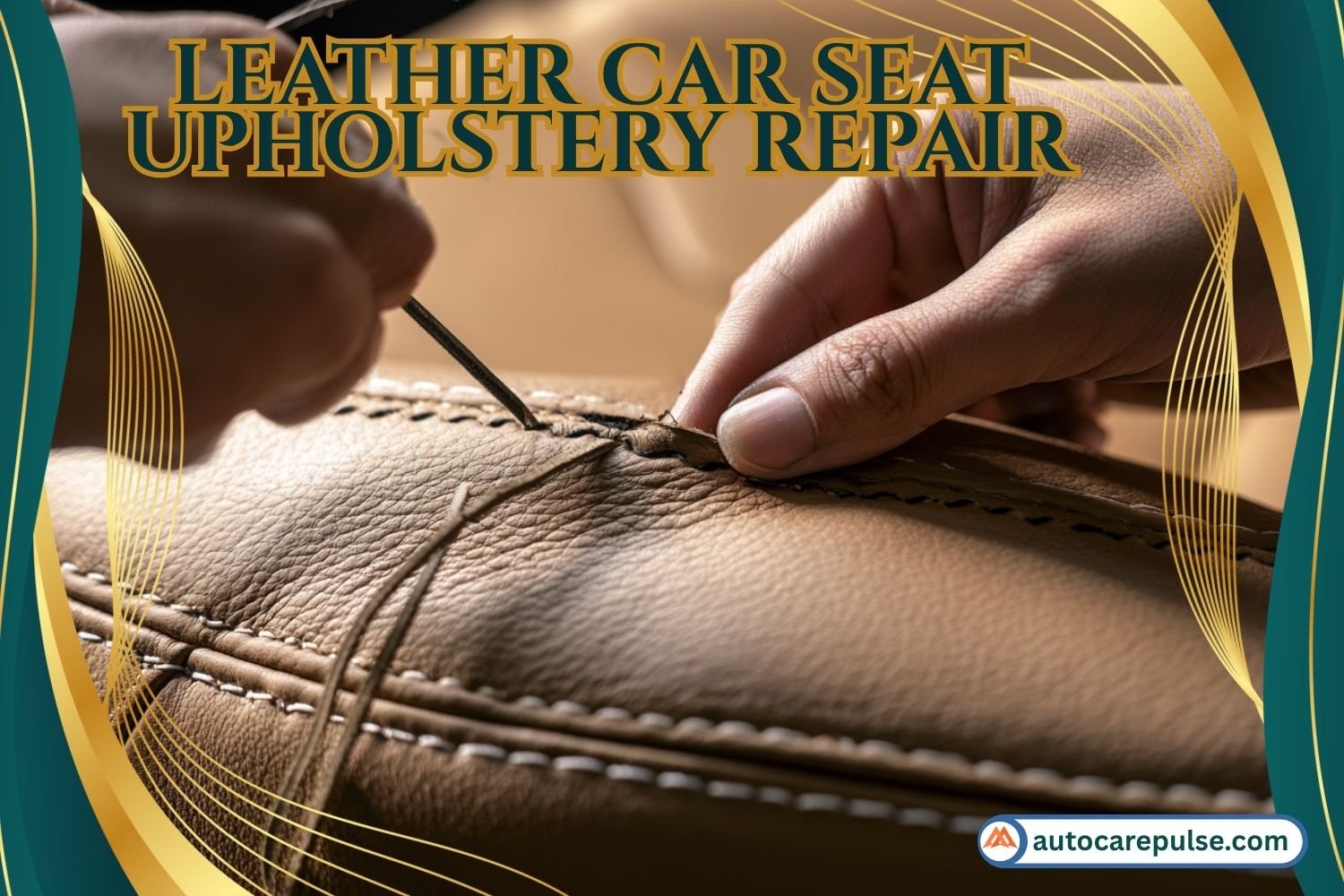
Leather car seat upholstery repair is something every American car owner should know about if they want to keep their vehicle looking clean, fresh, and valuable. When you drive your car every day in busy U.S. cities or on long road trips across the country, your leather seats work very hard. Every time you slide in and out of your car, your clothes rub against the side of the seat. Over months and years, this constant rubbing creates ugly cracks, scuffs, and even sharp tears in your leather upholstery.
If you live in the United States and want to fix your car seats without spending hundreds of dollars at a professional auto shop, leather car seat upholstery repair is an amazing choice. This complete guide will explain everything you need to know in simple words. We will talk about why your seats get damaged, how to check if your seats can be fixed, what tools you need, and how to do the repairs right in your own garage. Whether you drive a truck in Texas, an SUV in Florida, or a sedan in New York, understanding leather car seat upholstery repair will save you money and keep your car interior looking brand new.
Let’s dive into the details of leather car seat upholstery repair so you can feel confident fixing your own vehicle seats today!
Leather car seat upholstery repair is the process of fixing damage on car leather. This includes fixing cracks, scratches, holes, and tears using special glues, fillers, and paints.
The most common signs of leather damage include surface cracks on the side bolsters, color fading from jeans, small tears from sharp objects, deep holes showing yellow foam, and dry, stiff leather patches caused by the hot sun.
Surface cracking and crazing happen when tiny, spider-web lines form on the driver’s side seat bolster. This occurs because you slide across that spot every time you get in and out of your vehicle.
Leather seats lose color and get scuffed when clothing, especially blue jeans, belts, and metal rivets, rubs against the side of the seat during your daily commute or family road trips.
Tears and rips happen when sharp items like car keys, pocket knives, or metal belt buckles catch on aged, dry leather and split the hide open.
A bolster blowout is a severe form of damage where deep cracks open up into actual holes, showing the yellow or white cushion foam hiding right underneath the leather surface.
Dry rot means your leather seats feel stiff, crunchy, and brittle because the natural oils inside the leather have dried out completely due to age and high heat.
You can use a simple four-color safety assessment scale to check your seat damage: Green for monitor, Yellow for service soon, Red for urgent repair, and Critical for severe restoration.
The Green level means you have very minor surface crazing or slight fading. You should condition the leather immediately and apply a protective UV block balm to stop it from getting worse.
The Yellow level means you have moderate cracks, scuffs, or small surface scratches. You should fix these using a DIY leather repair kit within the next month before they grow bigger.
The Red level means you have open tears, rips, or exposed foam padding on your side bolsters. You need to repair this right away using a mesh sub-patch so the tear does not get any larger.
The Critical level means your leather is completely ruined across many panels, and your seat frame springs or foam are broken. This requires professional reupholstery or a complete seat replacement.
Car leather seats wear out because of intense ultraviolet sunlight from the sky, constant body rubbing against the side bolsters, and a lack of regular cleaning and conditioning.
Intense solar radiation streams right through car windows, especially in southern U.S. states like Arizona, Texas, and Florida, baking all the natural moisture out of the leather hide.
Mechanical friction happens when you move around in your seat. The rubbing from clothing rivets, buttons, and your body weight grinds down the protective coating on the leather surface.
If you never clean and condition your leather, body oils, sweat, and dirt fill up the tiny pores in the hide. This breaks down the protective topcoat and makes the leather crack open.
You need a leather repair kit with color compound and adhesive, 70% or 91% isopropyl alcohol, fine-grit sandpaper, microfiber towels, a heat gun, a grain texture stamping pad, and a sub-patch mesh.
A standard DIY leather repair kit that includes color compounds and adhesives usually costs between $20 and $45 at American auto parts stores or online shops.
You need isopropyl alcohol to degrease and clean the leather surface completely before starting your repair so that the glue and fillers can stick properly.
You should use fine-grit sandpaper between 600 and 1000 grit to gently smooth out the edges of cracks and make dried leather filler flat and even.
Yes, a low-heat gun or a standard hair dryer helps you dry and cure liquid leather filler quickly so you can move on to the next step of your repair.
You should work in a well-ventilated garage or open driveway with fresh airflow, wear protective gloves, and park your car out of direct midday sunlight.
Good ventilation keeps you safe from breathing in strong fumes when you use isopropyl alcohol, leather prep chemicals, and liquid adhesives in your enclosed garage.
Yes, wearing nitrile gloves keeps your skin safe from chemical irritation and stops colorful leather dyes and sticky glues from staining your hands.
Your car must stay cool so that the leather repair compounds do not dry up too fast before you have time to smooth them out and match the texture.
The first step is deep cleaning and degreasing. Vacuum your seat completely, then wipe down the damaged area with isopropyl alcohol to remove body oils and dirt.
You prepare the surface by taking fine-grit sandpaper and gently sanding the cracked area to remove loose flakes and feather the edges so the repair compound grips well.
You fix a torn rip by using the sub-patch method. Cut a piece of mesh fabric slightly larger than the tear, slide it underneath using tweezers, and glue it flat.
You squeeze a small amount of liquid leather filler onto a spatula, smooth a very thin layer across the cracks, press it deep into the fissures, and dry it with a heat gun.
While the last layer of filler is warm, press a grain texture pad onto it for 30 seconds to make a pebble pattern, then dab matching color tint onto the spot with a sponge.
After letting the seat rest for a few hours, apply a premium leather conditioner or UV-protectant balm over the whole seat to blend the repair and protect the hide.
The biggest mistake is applying one thick blob of leather filler instead of several thin layers, which causes the compound to crack and peel right off under your body weight.
Repairs fail if you skip cleaning because leftover body oils and old silicone sprays stop the leather adhesive from bonding securely to the seat hide.
Your color patch looks different because you rushed the color matching or did not mix your tints in natural daylight to match the exact factory shade of your interior.
Costs vary depending on your approach: a DIY kit costs $25 to $45, a mobile interior specialist costs $150 to $300 per seat, and a professional shop costs $400 to $900+.
A typical DIY leather repair project takes between 1.5 and 3 hours from start to finish, including cleaning, filling, coloring, and heat curing.
Mobile interior specialists who come right to your home or office in the U.S. usually charge between $150 and $300 per seat depending on the damage.
You should pay for professional panel replacement at an auto upholstery shop when the leather damage is too large for a kit or when the seat foam has totally collapsed.
Hot sun in the southwest dries out leather, freezing winters in the north make leather stiff and prone to tearing, and coastal humidity can trap moisture in seat pores.
Blistering summer heat and intense UV radiation in sunbelt states rapidly dehydrate car leather, causing premature cracking, fading, and painful dry rot.
Extreme freezing temperatures in northern states cause cold leather to contract quickly, making the side bolsters very fragile and easy to snap or tear when you sit down.
High humidity combined with salty ocean air accelerates leather wear if moisture and salt get trapped inside the natural pores of your vehicle seats.
You should clean your car leather seats every 1 to 2 months by wiping them down with a damp microfiber towel and a gentle, pH-balanced leather cleaner.
You should apply a nourishing leather conditioner and UV-protectant balm every 3 to 6 months to put natural oils back into the hide and stop sun fading.
Yes, using a windshield sunshade every day during summer in sunny U.S. states blocks direct UV rays and keeps your leather dashboard and front seats cool.
You should inspect your side bolsters every 6 months so you can catch tiny micro-cracks early before they turn into major splits or holes.
1. Can I repair cracked or torn leather car seats myself?
Yes, minor cracks, scuffs, and small tears can often be repaired at home using a leather repair kit. However, extensive damage or large tears may require professional upholstery services.
2. How much does leather car seat upholstery repair cost in the USA?
DIY leather repair kits typically cost around $25–$45, while professional mobile repair services may charge $150–$300 per seat, depending on the damage and location.
3. Does leather repair compound last under regular use?
Yes, quality leather repair compounds contain flexible materials designed to withstand normal bending and movement. Proper surface preparation and application help improve durability.
4. How do you fix a rip or hole in a leather car seat?
Clean the damaged area, place a suitable backing patch beneath the tear, and apply flexible leather adhesive or filler as directed. Finish with a matching color compound for a more uniform appearance.
5. How can I prevent my car leather seats from cracking?
Clean your seats regularly, use a suitable leather conditioner when needed, and protect them from prolonged direct sunlight with a windshield sunshade. Always follow the seat manufacturer’s care recommendations.
6. How long does a DIY leather seat repair take?
Most minor repairs take approximately 1.5–3 hours of hands-on work, although drying and curing times can extend the overall process. Follow the repair product’s instructions for the best results.
7. Why should I clean leather with rubbing alcohol before repairing it?
Some repair kits recommend an appropriate leather-safe cleaner or isopropyl alcohol to remove oils and residues. Check the product instructions first, as alcohol can discolor or dry out certain leather finishes.
8. When should I hire a professional for leather seat repairs?
Consider professional help when the leather has extensive tears, widespread deterioration, damaged seams, or collapsed seat foam. An upholstery specialist can determine whether a repair or panel replacement is the better option.
Leather car seat upholstery repair is a fantastic, rewarding project for any car owner who wants to make their vehicle look amazing and keep its trade-in value high. When you practice proper leather car seat upholstery repair techniques at home, you can fix ugly cracks and scuffs in just a couple of hours. By catching damage early, cleaning your seats regularly, and protecting them from harsh American sunlight, your car interior will stay soft, comfortable, and beautiful for many years to come!